
Table of Contents
- What Is a Records Relocation Chain of Custody?
- Why Does Records Relocation Chain of Custody Matter for Confidential Files?
- Where Does Custody Break During an Office Move?
- How Is a Records Relocation Chain of Custody Plan Built?
- How Do Commercial Movers Support Chain-of-Custody Planning?
- What Happens to Files and Devices That Should Not Move?
- Frequently Asked Questions
- Plan a Secure Records Move With Documented Custody
A records relocation chain of custody is the documented trail showing who held confidential business files at every point in an office move. Without one, a missing box becomes a guessing game, and a routine relocation can turn into a privacy incident. Law firms, medical practices, financial offices, HR departments, and any organization holding client data face the same question: can it prove where every container was, and who was responsible for it, from the old suite to the new one?
Key Takeaways
- A records relocation chain of custody documents who handled each container of files, when custody changed, and why, from packing through final delivery.
- HIPAA guidance, the FTC Disposal Rule, and New York and Connecticut data laws expect reasonable safeguards for personal information, including at disposal and, under New York’s SHIELD Act, during transportation.
- Custody gaps usually open at handoffs: packing, loading, interim holding, and delivery. Unique container IDs and signed transfers close them.
- Records past their retention period should be reviewed for secure destruction before the move, which reduces both volume and exposure.
- A commercial mover with a dedicated coordinator, trained crews, and written procedures keeps the custody log consistent across every phase.
What Is a Records Relocation Chain of Custody?
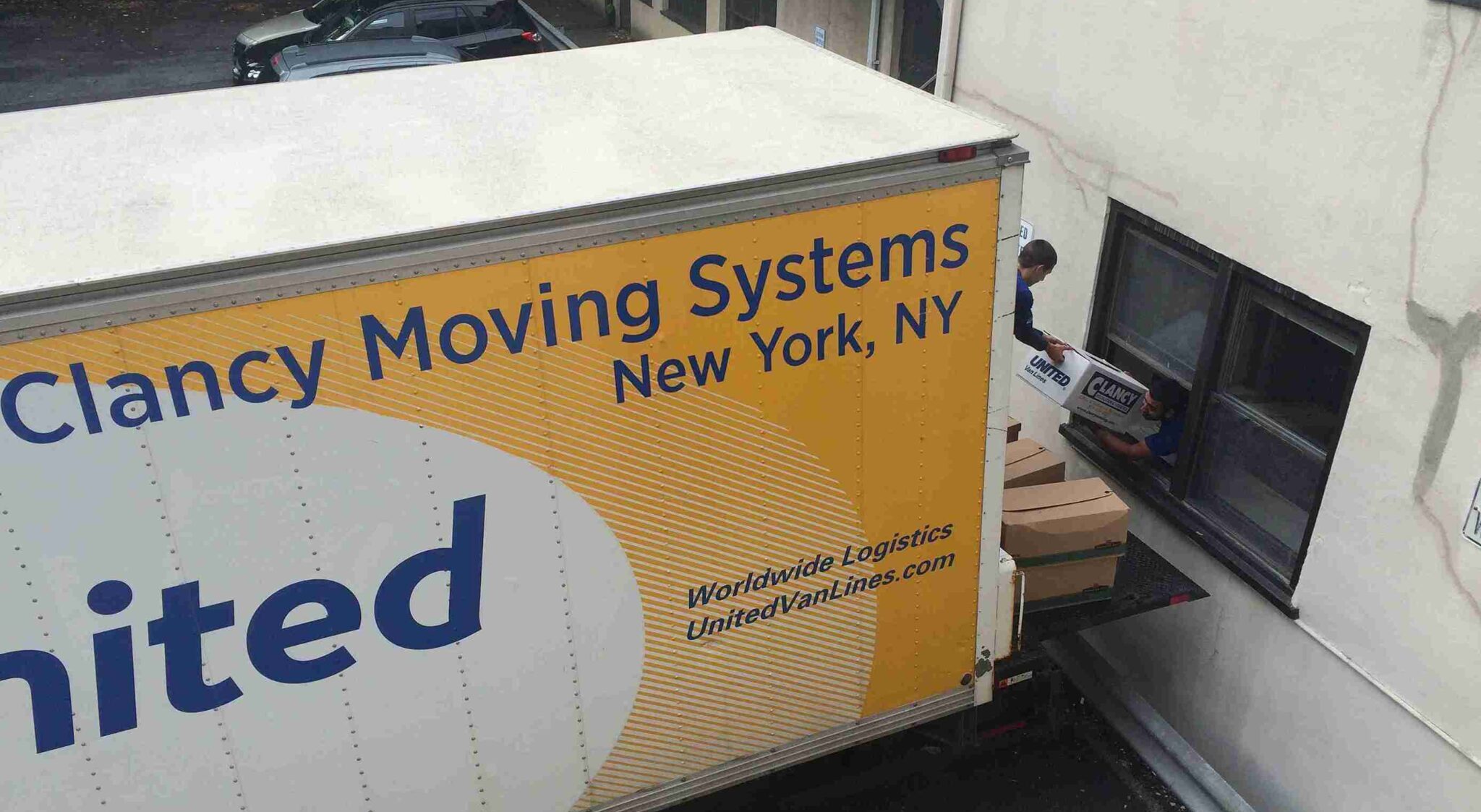
The concept comes from evidence handling, where NIST describes chain of custody as a process that documents who handled an item, when, and why. Applied to an office move, it becomes a running record for every container of files: a unique identifier, the person who sealed it, each transfer of control, the time of each transfer, and a signature confirming delivery.
Three components make the record dependable:
- Identification: Every container carries a unique ID tied to a master inventory, so nothing travels as an anonymous box.
- Accountability: Each transfer names a releasing party and a receiving party, with date and time.
- Verification: Delivery is reconciled against the inventory, and any discrepancy is documented the same day.
This differs from a standard packing list. An inventory shows what exists. A custody record shows who was responsible for it at each moment, which is what counsel, auditors, and regulators ask to see after something goes wrong.
Why Does Records Relocation Chain of Custody Matter for Confidential Files?
No single law governs office moves. Regulatory obligations stem from the type of information involved and where the affected individuals reside. Which regulations apply depends on industry, data type, and client or employee location. Retention and disposal duties also change over time, so counsel or a compliance officer should confirm the requirements for a specific organization.
Four common sources illustrate the pattern:
Health Information
HHS guidance on disposing of protected health information explains that covered entities must apply appropriate administrative, technical, and physical safeguards to protected health information in any form. When a third party handles the information, the guidance also points to contract requirements.
Consumer Report Information
The FTC Disposal Rule requires reasonable measures during disposal, with the right measures depending on the sensitivity of the information and the methods available.
New York
New York’s SHIELD Act requires reasonable safeguards for private information, applying to businesses that own or license computerized private information of New York residents, including protection during transportation and disposal.
Connecticut
Connecticut’s statute on safeguarding and destroying personal information directs anyone in possession of personal information to protect data, computer files, and documents from misuse and to destroy, erase, or make them unreadable before disposal.
Where Does Custody Break During an Office Move?
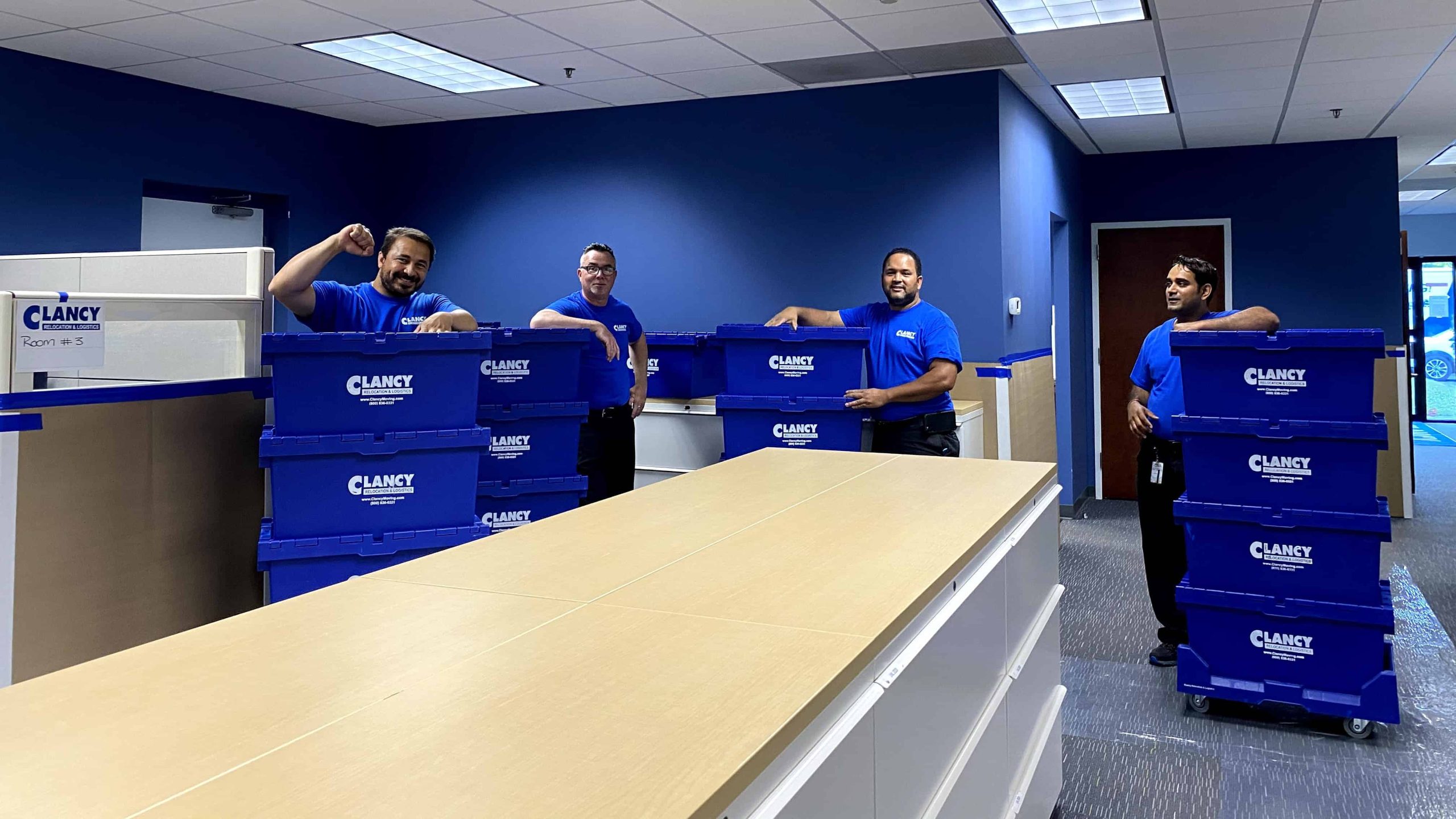
Custody rarely fails on the highway. It fails at handoffs, when responsibility passes from one person or place to another and nobody writes it down.
|
Move Stage |
Typical Gap |
Control That Closes It |
|
Packing |
Unlabeled or mixed containers left in hallways |
Unique container IDs, tamper-evident seals, department packing logs |
|
Loading |
No count at the dock; unclear ownership |
Count and sign at the dock with a named releasing and receiving party |
|
Transit |
Stops or transfers that go unrecorded |
Sealed vehicle, direct routing, logged departure and arrival times |
|
Interim holding |
Containers left in a vacant suite with no log |
Check-in and check-out entries with controlled access |
|
Delivery |
Boxes placed in open work areas |
Reconciliation against the inventory; delivery to a designated secure room |
|
Decommissioning |
Forgotten file rooms, cabinets, and drives after movers leave |
Final sweep checklist signed by the records custodian |
Phased relocations multiply these handoffs, since each department move creates its own set of transfers. Weighing a phased office relocation against a weekend move should include how many custody handoffs each schedule creates.
How Is a Records Relocation Chain of Custody Plan Built?
Step 1: Inventory and Classify the Records
Build a master list by department, record type, and sensitivity. Records management teams should check the retention schedule at this stage, because files past retention and free of any legal hold may not need to move at all. Anything under legal hold stays intact and flagged.
Step 2: Name a Records Custodian and Authorized Handlers
One accountable custodian oversees the process. A designated list of staff and moving company representatives authorized to sign transfers keeps accountability clear. Open-ended permission defeats the purpose of the log.
Step 3: Seal and Label Every Container
Assign each container a unique ID and apply a tamper-evident seal. Labels should show the ID and the destination room, not a description of the contents, since descriptive labels advertise which boxes matter most.
Individuals should also keep irreplaceable personal documents and jewelry with them instead of sending them with movers, following a moving day checklist for keeping important documents close. In a business setting, the same principle applies to the few originals an organization cannot afford to lose, such as executed agreements or corporate seals, which the records custodian can hand-carry.
Step 4: Document Every Transfer
Log each handoff with container IDs, names, dates, and seal status using controlled paper or digital logs. For palletized LTL freight, review recent NMFC freight classification changes for LTL shippers to ensure proper paperwork.
Step 5: Control Transport and Interim Holding
Sealed, direct transport keeps unrecorded stops to a minimum. When records must wait between spaces, a controlled facility with logged entry and exit is safer than an unattended vacant suite. Businesses weighing Manhattan, outer borough, or regional warehouses for staging can apply the same standard to each option.
Step 6: Reconcile at Delivery
Count containers, match IDs to the inventory, and inspect seals before opening. Record and escalate discrepancies to the custodian immediately. These checks also apply to records from upstate offices, where choosing between air and ground freight from Albany affects total handoffs.
Step 7: Close Out the File
Compile the custody log, discrepancy reports, and sign-offs into a single closeout record. Filing it with the organization’s other records management documents keeps it findable years later.
How Do Commercial Movers Support Chain-of-Custody Planning?

A full-service commercial mover supplies process, people, and documentation that an internal facilities team rarely has capacity to build alone.
- A dedicated Move Coordinator: One point of contact manages the custody schedule, the roster of authorized handlers, and communication with the records custodian from start to finish.
- Trained, certified crews: Crews that complete structured training, such as the 30-hour United Van Lines certification program, handle containers the same way on every shift.
- Project management: Phased and weekend relocations both depend on a written schedule, and the custody log works best when it is built into that schedule from the start.
- IT equipment handling: Laptops and drives that hold business records follow the same container-and-transfer logic as paper, with asset tags recorded at each handoff.
- Climate-controlled document storage: When a vacated space and a ready space do not line up, records can be held in climate-controlled commercial storage. With multiple access control systems in place to ensure only authorized individuals can enter storage areas, belongings are kept safe.
- Valuation and coverage options: Valuation or coverage addresses loss of or damage to physical items, not the confidentiality of the information inside them, which is why custody controls matter alongside it.
What Happens to Files and Devices That Should Not Move?
Not every file belongs in the new space. Records that have passed their required retention period and are free of legal holds can be securely destroyed instead of moved. Fewer containers mean fewer handoffs and a shorter, more manageable custody log. Destruction decisions belong to the records owner and legal counsel, never to move-day staff improvising on site.
For paper, HHS guidance lists shredding, burning, pulping, or pulverizing as methods that leave records unreadable and impossible to reconstruct. For electronic media, NIST Special Publication 800-88, Revision 2, Guidelines for Media Sanitization, published in September 2025, organizes sanitization around clear, purge, and destroy methods.
When an office closes permanently, disposition and office decommissioning support from commercial movers extends custody planning to the end of the project.
Frequently Asked Questions
Can employees pack confidential files themselves before a commercial move?
Yes, when the records custodian supervises. Employees should follow clear rules on which record types they may handle, and highly sensitive files are better packed by a small, authorized group. Every sealed container should be tied to a named packer.
How long should records relocation chain of custody documents be kept?
No single period applies. The timeline usually follows the retention schedule of the underlying records, plus any regulatory or litigation needs. Counsel and the compliance officer should set it, and the closeout file should sit with the organization’s other records management documents.
Is it better to move confidential records in phases or over a weekend?
It depends on the size and sensitivity of the record set. Phasing allows smaller batches to be verified one at a time, while a weekend cutover finishes faster but leaves less time to resolve discrepancies. Many organizations move the most sensitive files in a dedicated window with the records custodian present.
How should records under a legal hold be handled during an office move?
They must stay intact. They should not be culled, reorganized, or destroyed, and the original file order should be preserved. Counsel typically approves the move plan first, and these containers are flagged, sealed, and logged with extra documentation at every change of custody.
How early should planning for a records move begin?
As soon as the move date is set. Complete retention reviews, legal hold checks, custodian assignments, and the master inventory before packing starts. Draft an office decommissioning checklist for vacated file rooms and cabinets concurrently. Large or regulated record sets require extra lead time, and early coordination with movers ensures the custody log is integrated into the schedule.
Plan a Secure Records Move With Documented Custody
Clancy Relocation & Logistics, an authorized United Van Lines agent serving New York and Connecticut since 1921, supports commercial relocations with secure document moving solutions, including a dedicated Move Coordinator, certified crews, project management, and climate-controlled warehouse holding when a move calls for it.
Businesses preparing a records relocation can request a quote to build a custody plan that fits the size and sensitivity of the files involved.
Related Posts
- Office Relocation Risk Register: 12 Problems Businesses Should Plan for Before Moving Day
- Port-to-Manhattan Freight: How to Coordinate Drayage, Warehouse Staging, and Final Delivery
- Order Profiling in Albany: How 3PL Companies Design Better Fulfillment Workflows