
What’s In This Guide
- What Is the Difference Between LTL and FTL Freight?
- Comparing LTL Freight and FTL Freight by Key Factors
- When Does LTL Freight Make Sense for Rochester Businesses?
- When Does FTL Freight Make Sense for Rochester Businesses?
- How to Decide Between LTL and FTL Freight for Your Next Shipment
- What Mistakes Do Rochester Businesses Make When Choosing Freight Options?
- Why Does Rochester’s Location Affect Freight Mode Decisions?
- Frequently Asked Questions
- Need Help Deciding Between LTL and FTL Freight in Rochester, NY?
A Rochester business preparing to move freight often runs into the same fork in the road: book dedicated truckload capacity or share trailer space through LTL service. Getting this wrong can add cost, either through paying for capacity the shipment does not need or choosing a service with more handling and transit time than the freight can tolerate.
Shipment size and delivery urgency are major starting points, but handling sensitivity, cost structure, carrier capacity, and scheduling requirements can also affect the choice.
Smaller shipments that use only part of a trailer, often weighing less than about 15,000 pounds, are common candidates for less-than-truckload (LTL) freight, although carrier limits vary. Larger loads, time-critical deliveries, or freight that requires fewer handling transfers may be better suited to full truckload (FTL) freight.
For businesses working with a freight brokerage in Rochester, NY, this guide breaks down how LTL and FTL freight compare on shipment size, cost structure, transit speed, handling frequency, damage risk, scheduling flexibility, and delivery urgency.
Quick Facts
- Shipment size sets the starting point. Smaller shipments that use only part of a trailer are common candidates for LTL freight, while larger loads may justify dedicated FTL capacity. Exact LTL limits vary by carrier.
- LTL freight classification uses the NMFC system. The National Motor Freight Traffic Association maintains the NMFC, which assigns freight classes from 50 to 500 based on density, handling, stowability, and liability.
- FTL freight means fewer handling touches. A full truckload typically remains on the same trailer between origin and destination, avoiding the intermediate terminal transfers common with LTL freight.
- Interstate motor carriers and freight brokers are subject to FMCSA registration requirements, although their roles and required authorities differ. Motor carriers transport freight, while brokers arrange transportation between shippers and authorized carriers.
- Rochester’s highway access supports both freight modes. The city’s connections to I-490 and I-390 provide access to regional and long-haul freight routes for both LTL and FTL shipments.
What Is the Difference Between LTL and FTL Freight?
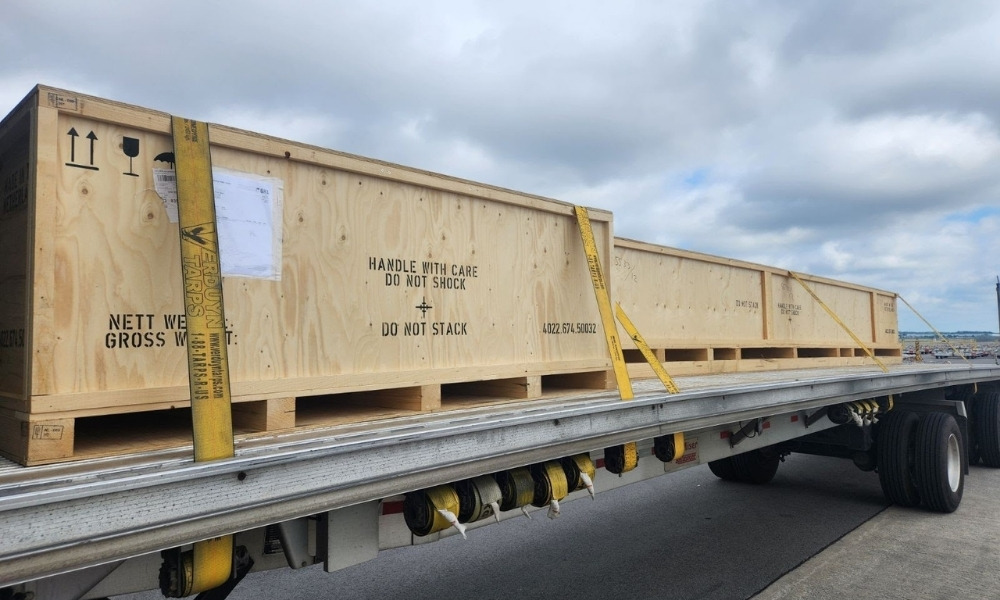
FTL, or full truckload freight, means one shipper uses dedicated trailer capacity rather than sharing the trailer with other shipments. LTL, or less-than-truckload freight, combines freight from multiple shippers on the same trailer, with pricing influenced by factors such as weight, freight class, dimensions, lane, and service requirements.
Full Truckload (FTL) Freight Basics
FTL freight, or full truckload shipping, is booked for a single business, using a dedicated trailer that isn’t shared with other shipments. Because FTL freight typically moves directly from pickup to delivery without the intermediate terminal transfers common in LTL service, it generally reaches its destination faster and with less handling exposure than freight that shares trailer space.
Less-Than-Truckload (LTL) Freight Basics
LTL freight is built for shipments too small to justify a full trailer, typically ranging from a single pallet up to a partial load. Because LTL freight shares space with other shippers’ cargo, it moves through a hub-and-spoke network of terminals, where loads are consolidated, cross-docked, and redistributed onto different trailers along the route.
The National Motor Freight Classification (NMFC) system is an important factor in many LTL rates. Maintained by the National Motor Freight Traffic Association, the NMFC assigns commodities a class from 50 to 500 based on density, handling, stowability, and liability. Denser freight that is easier to handle and stow is generally assigned a lower class, while bulky, difficult-to-handle, fragile, or higher-liability freight may receive a higher class. Freight class is one of several factors that can affect the final LTL rate.
Comparing LTL Freight and FTL Freight by Key Factors
Shipment size, cost structure, and delivery timeline are the factors that most often decide between LTL and FTL freight, though handling frequency and damage risk matter just as much for sensitive cargo.
|
Factor |
LTL Freight |
FTL Freight |
|
Shipment Size |
Smaller shipments using only part of a trailer; carrier weight, pallet, and dimensional limits vary |
Larger shipments or loads that require dedicated trailer capacity |
|
Cost Structure |
Priced using factors such as freight class, weight, dimensions or density, lane, and accessorial requirements |
Quoted for dedicated truck capacity based on factors such as lane, mileage, equipment, timing, market capacity, and accessorial requirements |
|
Transit Speed |
Generally slower because freight may pass through multiple terminals before final delivery |
Generally faster because freight typically moves more directly from pickup to delivery |
|
Handling Frequency |
Higher, because freight may be unloaded and reloaded during terminal transfers |
Lower, because freight typically remains on the same trailer between origin and destination |
|
Damage Risk |
Generally greater handling exposure because freight may be transferred between trailers and consolidated with other shipments |
Generally lower handling exposure because the shipment typically remains on the same trailer between pickup and delivery |
|
Scheduling Flexibility |
Pickup and delivery options depend on the carrier’s service network, terminal schedules, and appointment requirements |
Dedicated capacity can provide greater control over pickup and delivery timing, subject to truck and driver availability |
|
Delivery Urgency |
Better suited to non-urgent, flexible delivery windows |
Better suited to time-critical or narrow delivery windows |
READ MORE: How NYC Businesses Can Reduce LTL and Truckload Delays
When Does LTL Freight Make Sense for Rochester Businesses?
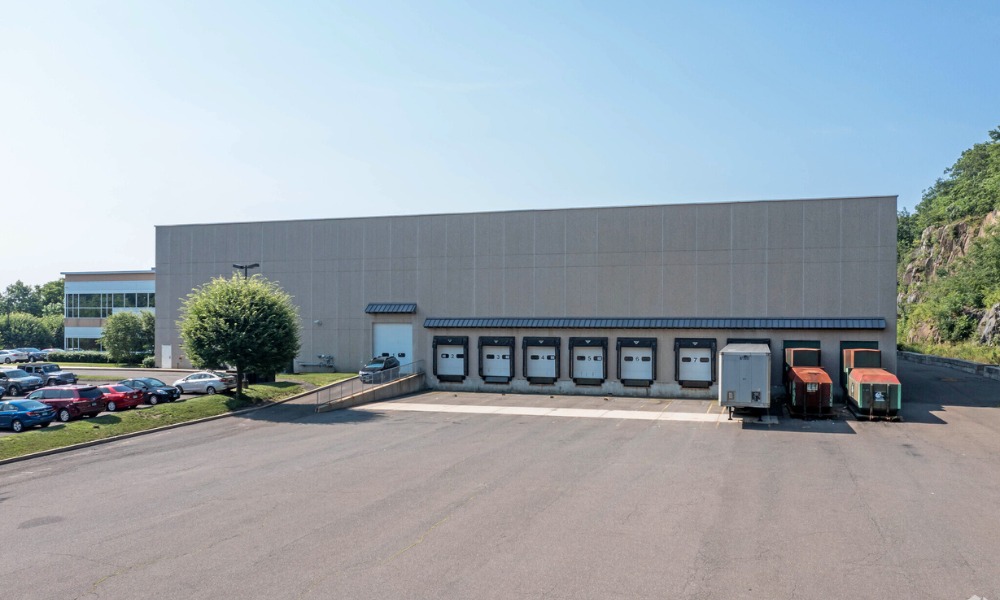
LTL freight makes sense when a shipment is too small to justify a dedicated trailer but still needs reliable, trackable freight transport. Rochester businesses moving partial pallet loads, restocking regional inventory, or supporting overflow from a primary warehouse are common candidates for LTL freight.
Typical scenarios include:
- Partial Inventory Restocks: A retailer or distributor moving two or three pallets of product between a Rochester warehouse and a regional store doesn’t need a full trailer.
- Non-Urgent Deliveries: Freight with a flexible delivery window can absorb the extra transit time that comes with terminal transfers.
- Durable, Stackable Goods: Products that hold up well to handling and consolidation, such as packaged goods or palletized equipment parts, tolerate LTL freight’s multiple touchpoints better than fragile cargo.
When Does FTL Freight Make Sense for Rochester Businesses?
FTL freight makes sense when a shipment is large enough to fill most of a trailer, time-sensitive, or sensitive to handling. Manufacturers, distributors, and facilities relocating equipment out of Rochester’s industrial base often need the dedicated capacity and minimal handling that FTL freight provides.
Typical scenarios include:
- Large or Near-Full Trailer Loads: Shipments at or near a full trailer’s capacity are usually more cost-efficient as FTL freight than as multiple LTL shipments.
- Time-Critical Deliveries: Freight tied to a production schedule, contract deadline, or narrow delivery window benefits from a direct, dock-to-dock route.
- High-Value or Fragile Equipment: Machinery, lab equipment, or specialized assets that are sensitive to repeated handling may benefit from a dedicated trailer because it reduces intermediate freight transfers.
How to Decide Between LTL and FTL Freight for Your Next Shipment
Step 1: Calculate Total Weight and Pallet Count
Start with hard numbers. Smaller shipments that use only part of a trailer are often well suited to LTL freight, while loads approaching a full trailer’s capacity may point toward FTL freight. Carrier weight, pallet, and dimensional limits should also be checked before booking.
Step 2: Set the Delivery Timeline
Confirm whether the freight has a fixed delivery date or a flexible window. Time-critical freight generally favors FTL freight’s direct routing over LTL freight’s multi-stop network.
Step 3: Assess Handling Sensitivity
Consider how the freight holds up to repeated loading and unloading. Fragile, high-value, or irregularly shaped freight may benefit from a dedicated FTL trailer because it reduces intermediate handling and terminal transfers.
Step 4: Compare Cost Structure Against Budget
Weigh whether paying for dedicated trailer capacity makes sense against the freight class, weight, dimensions, lane, and service requirements that can affect LTL pricing. For smaller loads, LTL freight typically avoids paying for dedicated trailer capacity the shipment does not require.
Step 5: Confirm Carrier or Broker Capacity
Check available equipment and carrier relationships before booking. Freight brokerages coordinate capacity across both LTL and FTL freight networks, which matters most during periods of tight trailer availability.
What Mistakes Do Rochester Businesses Make When Choosing Freight Options?

The most common freight mistakes come down to underestimating classification impact, defaulting to the same method out of habit, and skipping a review of how the freight will actually be handled along the route.
- Misjudging Freight Class: Underestimating a shipment’s freight class, or failing to confirm accurate dimensions and weight, can lead to reclassification charges and delayed LTL freight.
- Defaulting to FTL Out of Habit: Booking a full trailer for a small shipment out of caution often means paying for space that goes unused.
- Overlooking Handling Sensitivity: Sending fragile or irregularly shaped freight through LTL freight’s multiple terminal transfers without extra protective packaging increases damage risk.
- Skipping Documentation Review: Inaccurate bill of lading details, commodity information, or NMFC item numbers can contribute to classification corrections, billing discrepancies, or shipment delays.
Why Does Rochester’s Location Affect Freight Mode Decisions?
Rochester sits along I-490, which NYSDOT identifies as a key road freight corridor running through the city between I-90 in Le Roy and I-90 in Victor. Based on 2021 AADT data, NYSDOT reports a weighted average truck AADT of 3,509 for I-490.
This highway access supports both freight modes. LTL carriers can use Rochester’s highway connections to move shipments between local pickup or delivery points and regional freight networks, while FTL carriers can use the same connections for more direct origin-to-destination routing without intermediate LTL terminal transfers.
Businesses moving freight beyond the immediate region, including toward Canadian border crossings to the west, should factor these highway connections into their timeline expectations regardless of which freight mode they choose.
Frequently Asked Questions
What information does a freight broker need to quote an LTL or FTL shipment?
A broker typically needs the pickup and delivery locations, shipment weight, dimensions, pallet count, commodity details, timing requirements, and any special equipment or access needs. For LTL freight, accurate dimensions and commodity information are especially important because they can affect classification and pricing.
What accessorial charges can affect an LTL freight quote?
Additional charges can apply when a shipment requires services beyond standard dock-to-dock transportation. Common examples include liftgate service, limited-access pickup or delivery, inside delivery, appointment scheduling, and additional handling. Confirming these requirements before booking helps produce a more accurate quote.
When does partial truckload make more sense than LTL or FTL?
Partial truckload can be worth considering when a shipment is larger than a typical LTL load but does not require an entire trailer. It may also reduce terminal handling compared with traditional LTL service, depending on the carrier and route.
Can LTL and FTL shipments require delivery appointments?
Yes. Warehouses, distribution centers, and other facilities may require scheduled pickup or delivery windows regardless of freight mode. Appointment requirements should be confirmed before booking because they can affect carrier selection, scheduling, and potential accessorial charges.
How far in advance should Rochester businesses book LTL or FTL freight?
Booking earlier generally provides more time to compare available carriers and coordinate pickup requirements. The appropriate lead time varies by lane, equipment type, shipment size, and market conditions, so time-sensitive or specialized freight should be discussed with a broker as early as possible.
Need Help Deciding Between LTL and FTL Freight in Rochester, NY?
Working through freight class, trailer capacity, and delivery timelines takes time that most operations teams don’t have to spare. Clancy Relocation & Logistics has operated since 1921 and today coordinates freight movement through established carrier relationships for both LTL and FTL shipments.
Clancy Relocation & Logistics maintains the FMCSA registration and USDOT authority applicable to its operations.
Rochester businesses ready to compare freight options can request a personalized consultation to match their next shipment with the right freight method.
Related Posts