
What’s In This Guide
- How Freight Planning Works for Critical Shipments
- Why Freight Planning Matters for Rochester Businesses
- Common Risks When Shipping Critical Freight Without a Plan
- How to Plan a Time-Sensitive or High-Value Shipment in 6 Steps
- Coordination Factors That Affect Timeline and Execution
- Frequently Asked Questions
- Plan Your Next Time-Sensitive Freight Shipment in Rochester
A missed delivery window on a production component, a damaged optical instrument, or a stranded trade show exhibit costs far more than the freight bill itself. Businesses that move critical cargo through Western New York need a plan that controls risk before a truck ever backs into the dock.
Working with an experienced freight company in Rochester, NY, changes the equation from reacting to problems to preventing them. This guide breaks down how time-sensitive and high-value freight planning works, the risks that derail unprepared shippers, and the exact steps that keep critical shipments on schedule.
Quick Facts
- Time-sensitive freight requires expedited routing with committed pickup and delivery windows rather than standard transit estimates.
- High-value cargo reduces damage risk through custom crating, air-ride equipment, and climate-controlled handling.
- Companies transporting cargo across state lines must be FMCSA registered and hold a USDOT number.
- Real-time shipment tracking gives businesses visibility from dock pickup through final delivery confirmation
- Destination requirements such as dock access, liftgates, and delivery appointments should be confirmed before booking.
How Freight Planning Works for Critical Shipments
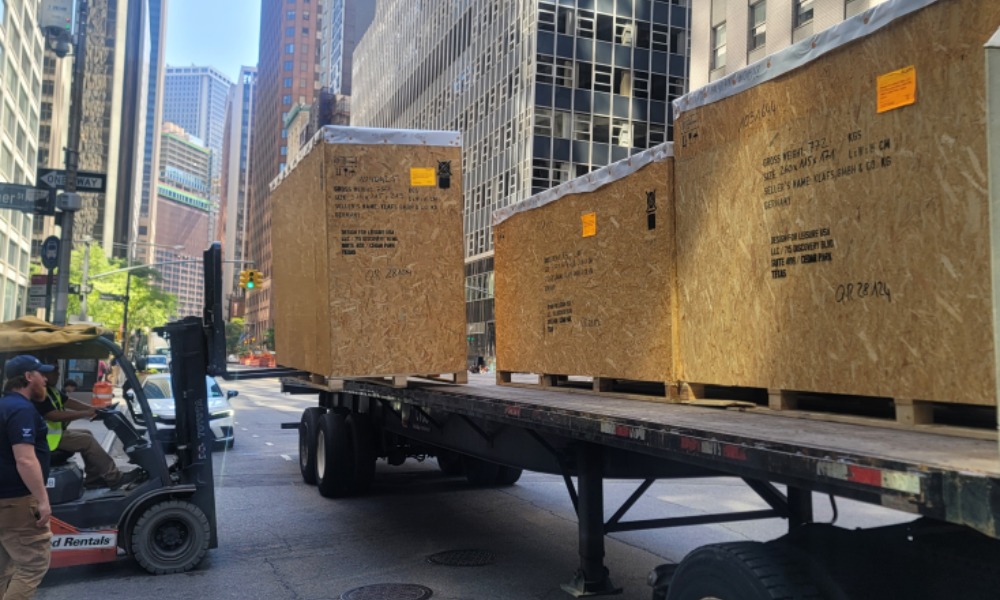
Freight planning for time-sensitive or high-value cargo usually follows a coordinated process. Each stage helps align the shipment’s handling, equipment, timing, and delivery requirements before it moves.
Assess the Cargo and Delivery Window
The process begins with a review of the shipment’s size, weight, value, sensitivity, and required arrival time. These details help determine the level of service and planning the load may require.
Select the Appropriate Equipment
The freight provider evaluates whether the shipment needs standard, expedited, dedicated, climate-controlled, air-ride, or other specialized transportation. Equipment selection depends on the cargo and the conditions it must maintain in transit.
Coordinate the Route and Schedule
Pickup timing, lane availability, weather, access restrictions, and destination requirements are reviewed before dispatch. This helps create a practical plan for moving the freight within the requested timeframe.
Monitor the Shipment in Transit
Tracking and communication provide visibility as the load moves from pickup to delivery. Updates may include shipment status, estimated arrival, route changes, or other information that affects the schedule.
Confirm Final Delivery Requirements
The provider coordinates receiving hours, appointments, unloading needs, site access, and any special handling at the destination. A logistics company in Rochester, NY, may manage these steps through one point of contact to keep the shipment organized.
Why Freight Planning Matters for Rochester Businesses
For Rochester companies, robust freight planning streamlines shipping by alignment with delivery slots, handling, weather, and route parameters. This structured logistics design is vital when moving high-value assets, time-critical cargo, and complex machinery across New York and the Northeast.
Protects Business Operations
Late or damaged freight can interrupt production, research, installation work, or scheduled deliveries. A clear transportation plan helps keep essential materials and equipment moving according to operational needs.
Supports Time-Sensitive Delivery Windows
Some shipments must arrive within a defined timeframe to avoid delays or added costs. Planning ahead allows the freight provider to evaluate expedited freight, dedicated transportation, and other suitable options.
Reduces Handling Risks
Precision equipment, electronics, laboratory materials, and other sensitive cargo may require more controlled handling. Specialized transportation, secure packaging, air-ride equipment, or climate-controlled service may be considered based on the shipment.
Accounts for Route and Weather Conditions
Rochester’s access to the I-90 and I-390 corridors supports freight movement across New York and nearby markets. Freight planning helps account for carrier availability, seasonal weather, road conditions, and delivery restrictions along the route.
Matches Service to Cargo Requirements
High-value freight is not defined by price alone. Replacement time, cargo sensitivity, shipment dimensions, and delivery urgency can also affect the level of service required. Reviewing these factors helps determine whether standard, expedited, dedicated, or specialized freight is appropriate.
Common Risks When Shipping Critical Freight Without a Plan
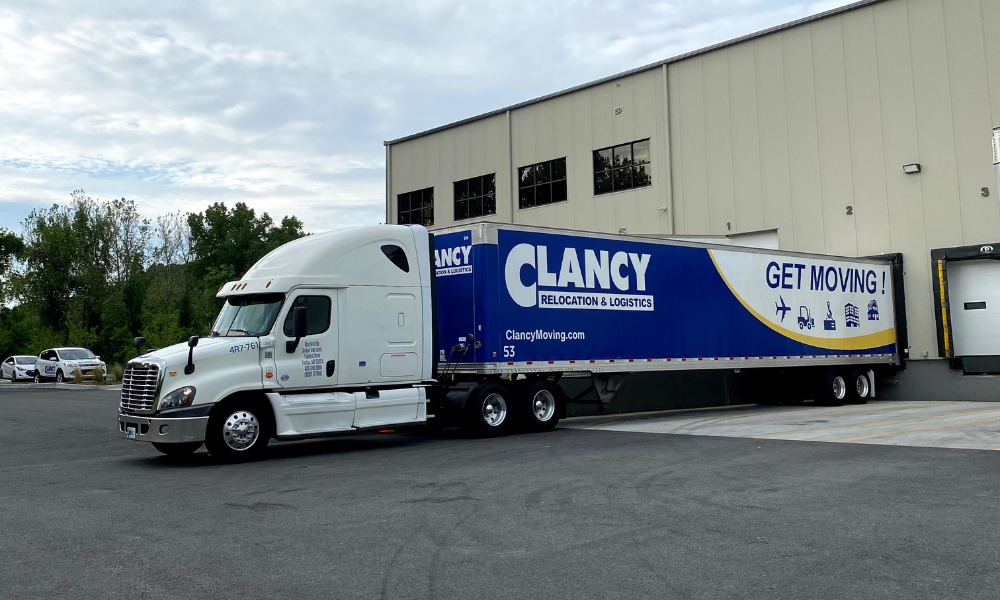
Most freight failures trace back to four preventable gaps. Each one compounds under deadline pressure, which is exactly when critical shipments have no margin for recovery.
Missed Delivery Windows
Standard freight moves on estimated transit times, not commitments. When a shipment must arrive within a fixed window, booking standard service leaves the schedule exposed to carrier delays, terminal transfers, and capacity shortages with no recourse.
Damage From Improper Equipment or Handling
Sensitive cargo loaded onto a standard dry van without air-ride suspension, blocking and bracing, or climate control absorbs road vibration and temperature swings for the entire route. Precision instruments and electronics often fail from cumulative transit stress rather than a single impact.
No Visibility Once the Shipment Leaves the Dock
Without shipment tracking, a business learns about a delay only when the delivery fails to arrive. Visibility gaps prevent teams from adjusting installation crews, receiving staff, or production schedules while there is still time to adapt.
Carrier Vetting Gaps and Compliance Issues
Booking an unvetted carrier exposes the shipper to authority, safety, and coverage problems that surface at the worst possible moment. Companies transporting cargo across state lines must be registered with FMCSA and hold a USDOT number, and shippers should confirm that registration before tendering any interstate load.
How to Plan a Time-Sensitive or High-Value Shipment in 6 Steps
A structured planning sequence removes guesswork and gives every party the same information before the freight moves. Follow these six steps in order.
Step 1. Define the Delivery Window and Failure Cost
Establish the exact date and time the cargo must arrive, then calculate what a miss actually costs in downtime, penalties, or lost revenue. That failure cost determines whether the shipment justifies expedited freight service with a dedicated truck and committed transit or whether standard scheduling carries acceptable risk.
Step 2. Document Cargo Specs and Handling Requirements
Record dimensions, weight, center of gravity for machinery, fragility, orientation requirements, and temperature sensitivity. Complete documentation lets the logistics team quote accurately, assign the correct equipment, and brief drivers before pickup instead of discovering surprises at the dock.
Step 3. Match the Shipment to the Right Equipment
Equipment selection follows directly from the cargo specs. Air-ride trailers absorb road shock for sensitive instruments, liftgates serve locations without docks, temperature-controlled trailers protect climate-reactive cargo, and flatbeds or stepdecks handle oversized loads. Specialized transportation exists precisely because standard trailers cannot protect every load type.
Step 4. Verify Carrier Credentials and Coverage
Confirm the carrier’s operating authority and safety record through the FMCSA SAFER Company Snapshot lookup tool before booking. Review valuation and coverage options for the cargo as well, since high-value shipments often warrant protection beyond standard carrier liability limits.
Step 5. Set Up Shipment Tracking and Checkpoints
Activate shipment tracking before pickup and define checkpoint notifications for departure, key transit milestones, and final delivery. An established freight company in Rochester, NY, offers web-based portals that let businesses monitor cargo status in real time, which turns tracking from a courtesy update into an operational planning tool.
Step 6. Confirm Delivery Requirements at the Destination
Verify dock access, appointment scheduling, inside delivery needs, driver assist requirements, and any building or site restrictions before the truck departs. A shipment that arrives on time but cannot unload has still failed its window.
Coordination Factors That Affect Timeline and Execution

Four operational variables shape how a freight plan comes together. Reviewing them early prevents mid-route surprises.
Distance and Lane Availability
Dense lanes between Rochester, Buffalo, Albany, and NYC offer more capacity and recovery options than rural or low-volume destinations, where equipment positioning takes longer.
Expedited Versus Standard Service
Expedited freight moves on dedicated equipment with committed windows, while standard service trades schedule certainty for consolidation. The failure cost defined in Step 1 dictates which service level fits.
Seasonal Weather
Weather can affect pickup schedules, road access, carrier availability, and estimated transit times. The National Weather Service notes that lake-effect snow is common across the Great Lakes region during late fall and winter, with localized snow bands sometimes producing two to three inches per hour or more. Rochester freight plans may require added schedule flexibility and alternative routing during severe winter conditions.
Staging and Warehousing
When cargo arrives before the destination is ready, climate-controlled warehouse staging bridges the gap. Full-service logistics providers in the Rochester region maintain secure warehouse space where high-value freight is received, held under stable conditions, and released on the exact delivery schedule the project requires.
Frequently Asked Questions
What is the difference between a freight broker and a freight carrier?
A freight carrier is responsible for physically transporting the shipment, while a freight broker helps arrange transportation through available carriers. Some logistics providers offer both services, allowing them to use their own equipment or coordinate outside capacity when needed.
How far in advance should a business schedule expedited freight?
Expedited freight should be scheduled as early as possible once the delivery window is known. Advance notice gives the logistics company in Rochester, NY, more time to confirm equipment, drivers, routing, and pickup requirements, although urgent shipments may still be arranged on shorter notice.
Can high-value freight be stored before final delivery?
Yes. Secure warehouse storage may be available when freight arrives before the destination is ready to receive it. Depending on the cargo, storage options can include controlled conditions, restricted access, inventory tracking, and scheduled release for final delivery.
What documents are needed to move freight across state lines?
Interstate freight generally requires a bill of lading and accurate shipment details, including the origin, destination, cargo description, weight, and piece count. Additional paperwork may be required depending on the commodity, carrier, route, or delivery requirements.
How is freight protected against loss or damage in transit?
Protection may include proper packaging, crating, securement, careful handling, suitable equipment, and transportation coverage. The appropriate safeguards depend on the cargo’s value, sensitivity, dimensions, route, and replacement requirements.
Plan Your Next Time-Sensitive Freight Shipment in Rochester
Clancy Relocation & Logistics coordinates expedited freight, specialized transportation, warehousing, and related logistics support for Rochester businesses. Services can be planned around the shipment’s size, handling requirements, delivery window, and final destination.
Contact our team to discuss your time-sensitive freight needs and determine an appropriate transportation plan for your Rochester shipment.