
What’s In This Guide
- What Makes Freight “Time-Critical” at Controlled-Access Facilities?
- Why Delivery Timing Carries More Weight at Hospitals, Labs, and Government Sites
- Common Planning Mistakes That Delay Controlled Deliveries
- How to Plan a Time-Critical Freight Delivery: A Step-by-Step Approach
- Facility-Specific Planning Considerations in Albany
- Documentation, Timing, and Coordination Factors That Affect Delivery Cost
- Frequently Asked Questions
- Need Support With Time-Sensitive Freight in Albany?
A hospital receiving dock does not stay open past its scheduled hours to accommodate a delayed truck. A state laboratory will not waive its badge-clearance process because a delivery is running behind. Time-critical transport and freight work differently than standard commercial deliveries, especially inside facilities that control who enters, when, and through which door.
Across Albany, from downtown hospital campuses to the state office buildings surrounding the Empire State Plaza, receiving schedules are built around fixed windows that rarely bend.
Coordinating expedited freight in Albany successfully comes down to how well the appointment, the facility access requirements, and the equipment specifications are confirmed before a truck ever leaves the yard.
Quick Facts
- Healthcare, laboratory, and public facilities may have specific delivery procedures, scheduling requirements, or site-access rules that should be confirmed before arrival.
- Loading areas, aisles, and receiving spaces may need to meet applicable safety and clearance requirements, especially when larger or specialized equipment is involved.
- Government and institutional facilities may use different security, credentialing, or vendor-access procedures depending on the property and type of delivery.
- Interstate freight moving into Albany may be subject to federal carrier registration and transportation requirements depending on the shipment and operation.
- Temperature-sensitive medical or laboratory freight may require contingency planning for storage, handling, or delivery changes if normal conditions are disrupted.
What Makes Freight “Time-Critical” at Controlled-Access Facilities?
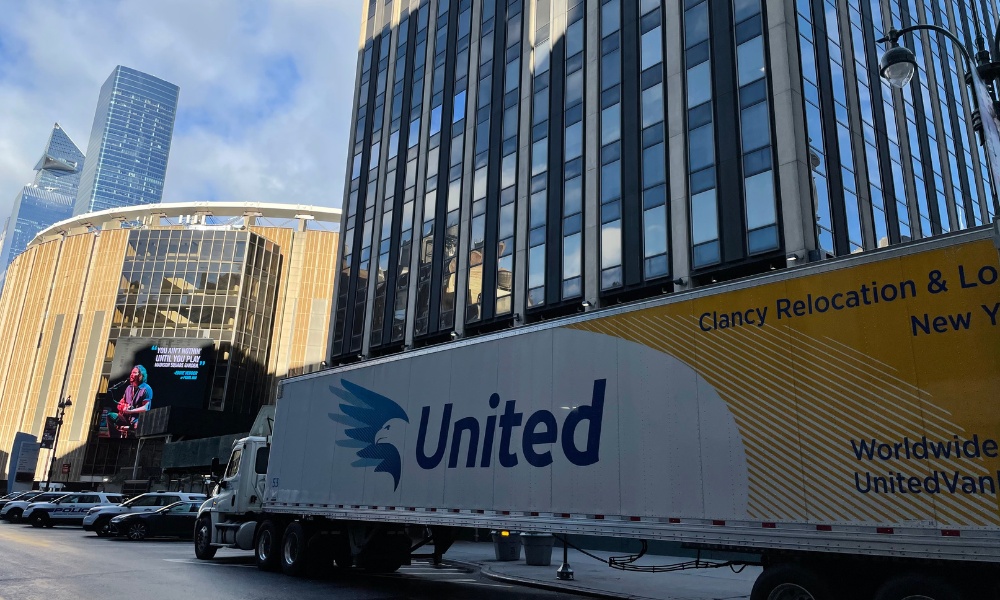
Time-critical freight involves deliveries tied to fixed windows, controlled receiving, or specific staffing schedules, requiring advanced coordination rather than on-site improvisation.
In Albany, this typically includes hospital diagnostic equipment, calibrated lab instruments, state agency records, and specialized university gear, all subject to strict individual facility rules.
Missing a delivery window rarely allows for simple delays; instead, it results in rebooking docks, rescheduling personnel, or disrupting broader project timelines.
Why Delivery Timing Carries More Weight at Hospitals, Labs, and Government Sites
A delayed or mistimed delivery at a controlled facility creates effects that extend past the shipment itself. Patient care schedules, research timelines, and building security protocols all depend on freight arriving exactly when it was planned to.
Common downstream risks include:
- Interrupted patient care operations. Equipment scheduled for same-day or next-day clinical use can push back procedures if it arrives late or through the wrong entrance.
- Compromised research timelines. Laboratory instruments often need to arrive within a narrow window tied to calibration, setup, or a study’s start date.
- Security and compliance exposure. Government and university buildings frequently require pre-cleared vendors, and an unannounced driver can be turned away entirely.
- Facility scheduling conflicts. Freight elevators, loading docks, and receiving staff are often shared across departments and booked in advance.
These are operational risks tied to timing and access, not simply a matter of distance or road conditions.
Common Planning Mistakes That Delay Controlled Deliveries
Most delivery delays at controlled facilities trace back to a handful of avoidable planning gaps rather than transportation problems.
Missing or Unconfirmed Appointment Windows
Facilities with receiving desks, such as hospitals and university campuses, often require appointments booked days in advance. Arriving without a confirmed slot can mean waiting behind other scheduled deliveries or being redirected entirely.
No Single Site Contact
Freight headed to a large facility needs one named contact who can confirm dock access, escort requirements, and any last-minute changes. Without that contact, drivers are left coordinating with whoever answers a general phone line.
Equipment Dimensions That Do Not Match the Dock or Elevator
Facilities have fixed dock heights, door widths, and elevator capacities. Equipment that exceeds those measurements can require an alternate entrance, additional rigging, or a delivery reschedule.
Overlooked Security Clearance Requirements
Government buildings, hospitals, and some university facilities require driver identification, vehicle registration, or advance background clearance before a truck is allowed on-site.
No Climate Control Plan for Sensitive Equipment
Medical devices, lab instruments, and some archival materials have temperature tolerances that standard freight does not account for.
No Contingency Plan for Delays
Traffic, weather, or a facility’s own scheduling conflict can push a delivery outside its window, and without a fallback plan, equipment can sit unprotected or unmonitored.
How to Plan a Time-Critical Freight Delivery: A Step-by-Step Approach

Planning a controlled delivery follows a consistent sequence regardless of the facility type. Each step below reduces the chance of a missed window or a delivery turned away at the door.
Step 1: Confirm the Appointment Window and Site Contact
Book the delivery window directly with the facility’s receiving department and get a named contact with a direct phone number. Confirm this again 24 to 48 hours before delivery, since facility schedules can shift.
Step 2: Verify Security Clearance and Access Requirements
Ask what identification, vehicle information, or advance approval the facility requires for outside vendors. Hospitals often require badge sign-in, while government buildings may require a security list submitted days ahead.
Step 3: Match Equipment Dimensions to Dock and Elevator Limitations
Before scheduling delivery, confirm whether the equipment can move through the facility’s intended receiving path. Relevant details may include dock height, doorway dimensions, elevator size and capacity, hallway clearance, and other access limitations.
These measurements can help determine whether additional handling equipment, alternate entry points, or delivery adjustments may be needed. OSHA material-handling requirements may also affect how materials and equipment are moved through loading and receiving areas.
Step 4: Plan Climate-Controlled Handling for Sensitive Equipment
Confirm whether the shipment includes temperature-sensitive medical devices, lab reagents, or electronics, and arrange climate-controlled transport accordingly. Build in a documented backup plan for delays, since CDC guidance on emergency vaccine transport planning recommends having an alternative storage arrangement ready before a temperature excursion occurs.
Step 5: Arrange Inside Delivery and Final Placement
Confirm whether the delivery ends at the dock or extends to a specific room, lab bench, or installation point. This detail changes staffing, timing, and equipment needs on the day of delivery.
Step 6: Build a Contingency Plan for Delays
Identify a backup delivery window, a secure staging option, and a communication plan if the original appointment falls through. Facilities with strict scheduling rarely offer a same-day do-over.
Facility-Specific Planning Considerations in Albany
Every controlled facility type applies its own version of the planning steps above. Understanding these differences up front prevents a plan built for one facility type from failing at another.
Hospitals and Healthcare Facilities
Hospital deliveries often route through a dedicated receiving dock separate from patient and visitor entrances, with specific hours to avoid conflicting with clinical operations.
Equipment headed for a specific department, such as imaging or surgical services, may need direct coordination with that unit’s staff rather than a general receiving desk. Off-hour delivery windows are common for large or disruptive equipment to avoid interfering with patient care areas.
Laboratories and Research Facilities
Laboratory deliveries are frequently tied to a calibration schedule or a study’s start date, which leaves little room for rescheduling. Chain-of-custody documentation matters for research materials and controlled substances, and climate-controlled handling is often non-negotiable for instruments or biological samples.
Facility staff may need advance notice to prepare bench space or power connections before equipment arrives.
Government and Public Facilities
State and federal buildings may have varying security and access procedures for vendors and delivery personnel. Depending on the facility, this can involve advance coordination, identification requirements, vehicle details, or other entry steps.
These types of facilities often operate with different levels of access control, so delivery teams typically need to confirm any site-specific requirements before arrival.
Colleges and Universities
University deliveries often compete for shared loading docks and freight elevators across multiple departments, which makes early scheduling important. Academic calendar events, move-in periods, and construction projects can restrict dock access at specific times of year.
Equipment headed to a research building may carry the same climate-control and calibration timing needs as an off-campus laboratory.
Documentation, Timing, and Coordination Factors That Affect Delivery Cost

Costs and timelines for time-critical freight vary based on distance, equipment size, access requirements, and how much lead time is available. A same-day delivery to a downtown dock involves different variables than a multi-state medical equipment transport tied to a scheduled installation.
Factors that typically influence planning and cost include:
- Equipment size, weight, and any special handling needs
- Distance traveled and whether the freight crosses state lines
- Dock, elevator, or entrance access limitations at the receiving facility
- Facility-specific hours, security clearance, or escort requirements
- Climate-controlled handling for sensitive equipment or materials
- How much advance notice is available before the delivery is needed
Carriers transporting cargo across state lines must also meet federal registration and USDOT numbering requirements, which is a compliance factor that affects which providers can legally handle interstate freight into Albany.
Read More: Freight Brokerage Services in Albany, NY: When Businesses Should Use a Freight Broker
Frequently Asked Questions
What should Albany facilities consider when a time-sensitive delivery includes multiple crates or equipment pieces?
Shipment pieces may need to be identified and coordinated together so receiving teams can keep related items organized. The approach can vary based on shipment size, destination department, and handling needs.
How can shipment status be communicated before an expedited freight delivery reaches Albany?
Updates may be shared through carrier tracking, dispatcher communication, or agreed check-in points. The method can depend on the transport and freight provider and the facility’s coordination needs.
Which records may help when healthcare equipment transport involves several departments at one Albany facility?
Asset lists, shipment references, department contacts, or delivery notes may help keep equipment organized. The level of documentation can depend on the facility and how the equipment is being distributed internally.
Can one time-sensitive freight project include deliveries to more than one Albany facility?
Multiple destinations may be coordinated under one project when scheduling and routing allow. Each location may still require its own delivery window, contact information, and receiving arrangements.
When might reusable crates or protective packaging need separate coordination after delivery?
Crates, pallets, or protective materials may need to be retained, returned, or removed after final placement. The preferred approach can depend on facility policies, vendor instructions, and available space.
Need Support With Time-Sensitive Freight in Albany?
Clancy Relocation & Logistics works with healthcare providers, laboratories, and public-sector facilities in Albany and nearby areas to help manage freight that requires careful timing and coordination.
We assist with planning around delivery windows, site requirements, access procedures, and handling considerations depending on the nature of the shipment and destination. For freight that may need added attention or coordination, we can also help review available transport options.
Get in touch with us to go over your shipment details and timing so we can help align the delivery process with your facility’s needs.