
What’s In This Guide
- What Does a Freight-Ready Load Actually Require?
- Why Freight Preparation Affects Timing, Handling, and Damage Risk
- Common Freight Preparation Mistakes That Delay Pickup
- How to Prepare Freight for a Logistics Company: A Step-by-Step Checklist
- What Affects Pickup Coordination and Timing
- Frequently Asked Questions
- Ready to Simplify Your Next Freight Pickup?
A pickup gets rescheduled the moment a driver arrives to an incomplete bill of lading or a pallet that shifts when the forks go in. For operations, procurement, and facilities teams, freight preparation is not paperwork for its own sake. It is what separates a shipment that moves on schedule from one that sits on the dock, generating delays and disputes.
Working with a logistics company only pays off when the freight itself is ready to move. This freight preparation checklist breaks down what a freight-ready load actually requires, the documentation and physical preparation steps that keep pickups on schedule, and the planning details that prevent avoidable delays.
Quick Facts
- Accurate documentation, labels, dimensions, and weight help keep freight pickups on schedule.
- Stable pallets and wrapping reduce shifting, crushing, and handling problems during transit.
- Clear special-handling notes help carriers prepare for fragile, oversized, or temperature-sensitive freight.
- Confirmed pickup windows, dock access, and contacts reduce avoidable delays.
- A logistics company can help coordinate recurring, supplier, consolidated, local, or interstate freight shipments.
What Does a Freight-Ready Load Actually Require?
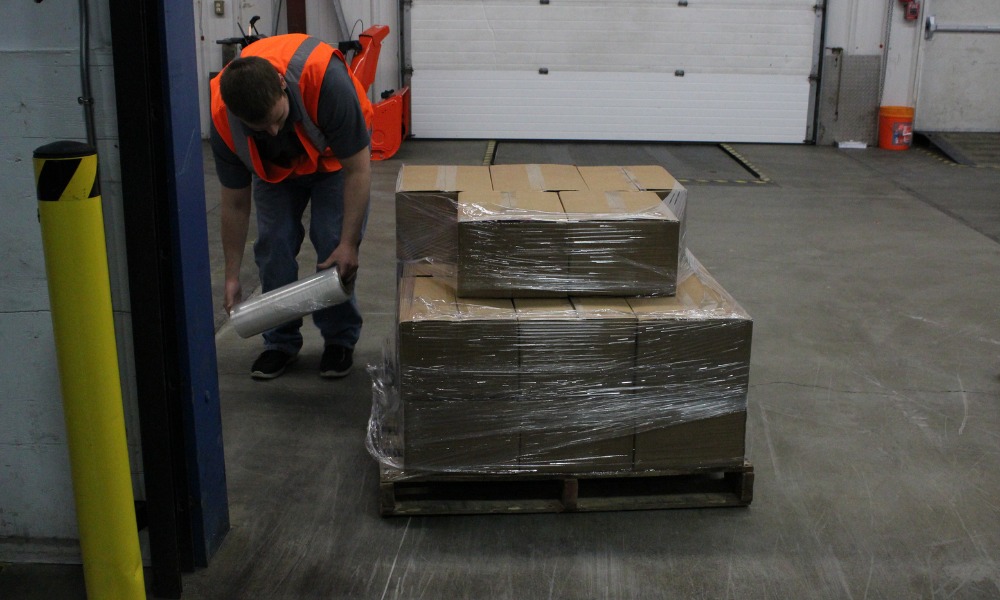
A freight-ready load has accurate documentation, a stable pallet, correct labeling, verified dimensions and weight, and a confirmed pickup window. Missing any one of these five elements is the most common reason a driver leaves without the freight.
Each element supports the next. Documentation determines how the freight is rated and billed. Physical preparation determines whether it survives handling. Scheduling determines whether the driver’s route accounts for the stop at all.
Facilities and procurement teams that treat these as a single checklist, rather than separate tasks handled by different people, see fewer rescheduled pickups and fewer disputes after delivery.
Why Freight Preparation Affects Timing, Handling, and Damage Risk
Incomplete freight preparation can lead to several common problems:
- Reclassification and billing disputes. Inaccurate freight details can lead to changes in classification or final charges. Double-check shipment information before pickup to help reduce billing issues.
- Physical damage in transit. An unstable pallet, insufficient wrapping, or freight stacked too high can increase the risk of shifting, crushing, or tipping during transportation.
- Missed or delayed pickups. An unprepared dock, unavailable contact, or paperwork that needs correction can slow down the pickup. On a multi-stop route, even a short delay may push the shipment to a later truck.
Common Freight Preparation Mistakes That Delay Pickup
Most pickup delays trace back to a small set of recurring issues. Reviewing these before the pickup date is faster than troubleshooting them with a driver waiting at the dock.
|
Mistake |
Why It Causes a Delay |
|
Missing or estimated weight and dimensions |
Carrier cannot confirm freight class or trailer space in advance |
|
Incomplete bill of lading fields |
Driver cannot legally accept freight without required information |
|
Overhanging or double-stacked pallets |
Creates instability risk that a driver may refuse to load |
|
No special handling notes |
Fragile, hazardous, or temperature-sensitive freight gets mishandled |
|
Unclear or missing labels |
Freight gets misrouted once it leaves the origin dock |
|
No confirmed contact at pickup |
Driver cannot verify the load or resolve last-minute questions |
How to Prepare Freight for a Logistics Company: A Step-by-Step Checklist
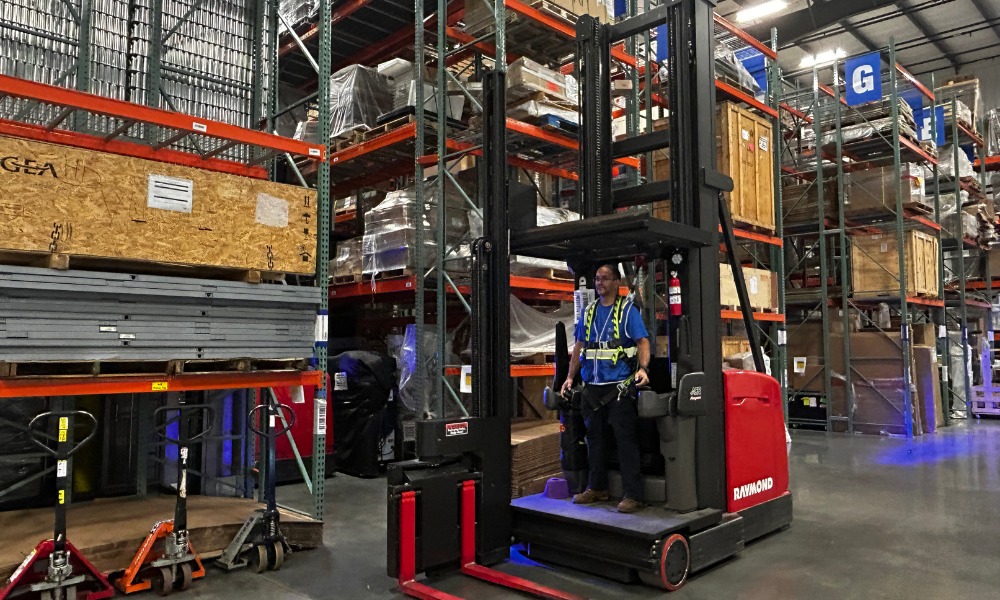
Preparing freight for pickup follows a consistent sequence: document the shipment, build and secure the pallet, label it, verify its measurements, flag anything unusual, and confirm the pickup details. Working through these steps in order reduces the chance of missing something the carrier needs.
Step 1: Complete the Bill of Lading and Shipment Documentation
The bill of lading is the legal receipt and contract of carriage for the freight. Under federal bill of lading requirements for general freight, a for-hire motor carrier must issue one listing the names of the consignor and consignee, the origin and destination points, the number of packages, a description of the freight, and its weight, volume, or measurement.
Before pickup, confirm:
- Consignor and consignee names, addresses, and contact numbers
- Purchase order or reference numbers required by the receiving business
- Freight description that matches what is actually on the pallet
- Declared freight class and NMFC item number, if known
- Special instructions, such as liftgate or inside delivery requirements
Step 2: Choose and Build a Stable Pallet Base
Pallet selection depends on the weight, footprint, and fragility of the freight. A 48 x 40 inch pallet is the standard footprint used across most U.S. trailers, dock equipment, and warehouse racking, which makes it the default choice unless the product dimensions call for something different.
Build the pallet so the load:
- Does not overhang the edges of the pallet deck
- Distributes weight evenly across the pallet, with heavier items on the bottom
- Stays within a safe stack height for the product and trailer type
- Uses a pallet in good condition, free of broken boards or protruding nails
Step 3: Wrap and Secure the Load
Once the pallet is built, the load needs to stay in place through loading, transit, and unloading. Stretch wrap, corner boards, and strapping keep boxes from shifting and protect edges from crushing under other freight.
Federal safety rules for handling stacked freight require that materials be arranged so they will not slide, collapse, or tip when handled with a forklift. A load that fails this test at the origin dock is likely to fail it again at every transfer point between pickup and delivery.
Step 4: Label the Freight Clearly
Labels tell every handler along the route what the freight is, where it is going, and how to treat it. At minimum, each pallet should carry:
- Consignee name and full delivery address
- Purchase order or reference number
- Piece count, so a partial delivery is easy to spot
- Handling icons for fragile, this-side-up, or temperature-sensitive freight
Labels should be placed on at least two sides of the pallet and printed large enough to read from a few feet away in a dim warehouse aisle.
Step 5: Verify Dimensions and Weight
Estimated weights and dimensions are one of the most common sources of reclassification and rate disputes. Measure the length, width, and height of the built pallet, and weigh it on a calibrated scale rather than relying on product specification sheets, which do not account for the pallet itself or the packaging materials.
Accurate figures on the bill of lading also help the logistics company plan trailer space and driver routing before the truck arrives, which reduces the chance of a rejected or delayed pickup.
Step 6: Flag Special Handling and Compliance Notes
Some freight needs more than a standard label. Fragile electronics, lab or medical equipment, and oversized machinery often require specific orientation, extra padding, or rigging support during loading. Freight classified as hazardous material also triggers additional federal documentation beyond the standard bill of lading.
Note any of the following clearly on the paperwork and pallet:
- Fragile or high-value contents that need careful handling
- Orientation requirements, such as this-side-up
- Temperature sensitivity or climate-controlled handling needs
- Oversized or irregular dimensions that affect loading equipment
Step 7: Confirm the Pickup Window and Dock Readiness
A confirmed pickup window only works if the dock is actually ready when the driver arrives. Confirm the appointment time, expected wait time, and any building-specific requirements, such as check-in procedures or dock door assignments, before the day of pickup.
Have the freight staged near the dock door, paperwork printed and ready, and a contact available who can answer questions or sign for the pickup without searching for someone else in the building.
What Affects Pickup Coordination and Timing

Pickup coordination depends on appointment accuracy, dock accessibility, and communication with the carrier’s dispatch team. Facilities that treat these as fixed rather than flexible tend to see fewer missed windows.
- Appointment windows: Many carriers work on tight multi-stop routes, so a narrow arrival window should be treated as fixed rather than approximate.
- Dock and equipment access: Liftgate requirements, driver-assist needs, and limited dock door availability should be communicated when the pickup is scheduled, not when the truck arrives.
- Point of contact: A single, reachable contact for the pickup reduces back-and-forth if the carrier has a question about the freight or the bill of lading.
- Advance notice for changes: Rescheduling or adding freight after a pickup is confirmed should be communicated as early as possible, since routes are often planned hours in advance.
➤ ALSO READ: When to Outsource Logistics Operations to a 3PL in NYC
Frequently Asked Questions
Can businesses schedule recurring freight pickups?
Often, yes. Businesses with regular freight volume can ask a logistics company about recurring pickup arrangements. Availability may depend on shipment size, frequency, route, and the locations involved.
Can freight be picked up directly from a supplier or manufacturer?
Yes, depending on the shipment and carrier setup. A logistics company can often coordinate pickup directly with a supplier or manufacturer and arrange transportation to the next destination.
Can multiple vendor shipments be consolidated before delivery?
In some cases, yes. Freight from different vendors may be combined or staged before final delivery when timing, space, and handling requirements allow. A freight logistics provider can help determine the practical setup.
Is there a minimum shipment size for freight transportation services?
Requirements vary by carrier and service type. New York and Connecticut businesses can discuss the number of pallets, shipment size, and destination with a freight transportation provider to identify an appropriate option.
Can one logistics company handle both local and interstate freight?
Possibly, depending on the provider’s coverage and services. Businesses moving freight within New York or Connecticut and across state lines can ask whether one logistics company can coordinate both types of shipments.
Ready to Simplify Your Next Freight Pickup?
Clancy Relocation & Logistics has coordinated freight, equipment, and commercial relocations across New York and Connecticut for more than a century, with FMCSA-registered, USDOT-authorized freight brokerage services built for businesses that need reliable pickup and delivery.
Contact our team to talk through your next freight pickup and get a plan built around your shipment.