
What’s In This Guide
- What Is the Difference Between LTL and Full Truckload Freight in Rochester, NY?
- Why Choosing the Right Freight Mode Matters for Rochester Businesses
- Common Freight Booking Mistakes That Cost Time and Money
- How to Choose Between LTL and Truckload Freight: A Step-by-Step Guide
- Which Mode Fits Your Load? Real Shipment Size Examples
- When to Work With a Freight Broker in Rochester
- Frequently Asked Questions
- Ready to Match Your Rochester Freight to the Right Mode?
Booking the wrong freight mode drains budgets in two directions. Rochester businesses that put small loads on dedicated trailers pay for empty space, while companies that force oversized loads into shared trailers face transfer delays and handling damage.
Choosing between LTL freight in Rochester, NY, and a full truckload comes down to a handful of measurable factors: pallet count, weight, timeline, and handling tolerance. This guide breaks down each one so the decision becomes simple.
Quick Facts
- Choose LTL for smaller, flexible shipments that can share trailer space and tolerate additional handling.
- Use a full truckload for larger, fragile, or time-sensitive loads that require dedicated capacity.
- Compare key shipment details before booking, including pallet count, weight, dimensions, delivery deadlines, accessorial requirements, and freight class.
- Work with a freight broker to evaluate options such as partial truckload and expedited service.
- Leverage broker support for carrier compliance, pricing, and route coverage for Rochester shipments.
What Is the Difference Between LTL and Full Truckload Freight in Rochester, NY?
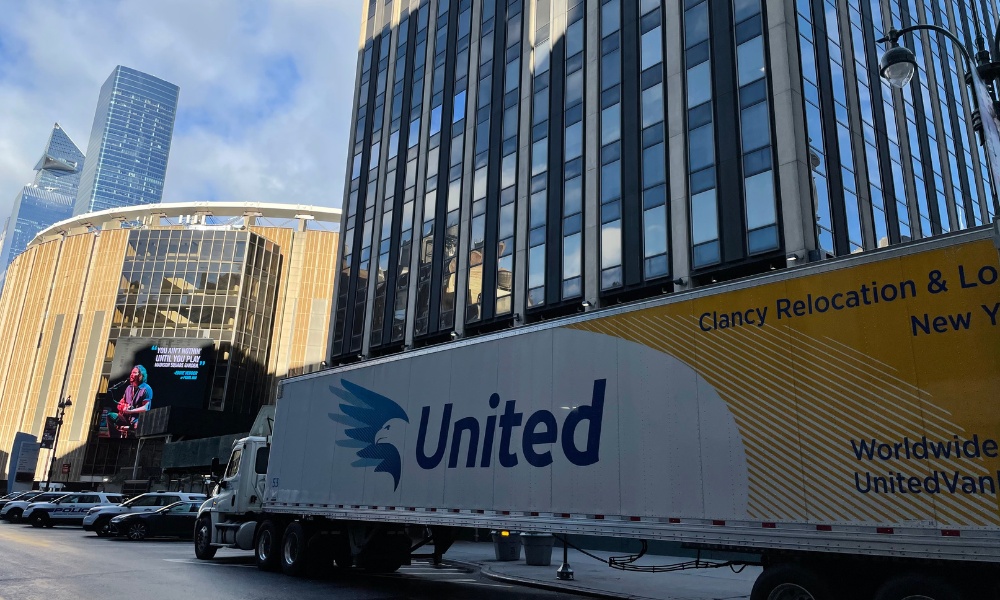
LTL and full-truckload freight are both used to move commercial shipments, but they differ in how trailer space is assigned, how freight is handled, and how directly the shipment travels. The better option depends on the size of the load, delivery schedule, cargo type, and transportation budget.
LTL Freight
Less-than-truckload freight allows several shippers to share space on the same trailer. Each business generally pays for the portion of the trailer its freight occupies rather than the full truck. This option may work well for palletized shipments that are too large for parcel service but do not require an entire trailer.
Because LTL freight may move through multiple terminals, the shipment can be loaded and unloaded more than once before delivery. Transit times and handling levels may vary based on the route, carrier network, and destination.
Full- Truckload Freight
A full truckload freight reserves most or all of a trailer for one shipment. The freight usually moves from the pickup location to the destination with fewer transfers, which may reduce handling during transit.
This mode is often considered for larger shipments, time-sensitive loads, high-volume freight, or cargo that requires more control over trailer space and scheduling. The cost may be higher for smaller loads because the shipper is paying for dedicated capacity.
|
Factor |
LTL freight in Rochester, NY |
Full Truckload |
|
Typical load size |
1 to 6 pallets |
24 to 30 pallets |
|
Trailer use |
Shared with other loads |
Dedicated to one customer |
|
Handling |
Multiple terminal transfers |
Loaded once, unloaded once |
|
Transit time |
Longer, routed through terminals |
Faster, direct point-to-point |
|
Best fit |
Regular small commercial loads |
High-volume or fragile freight |
Why Choosing the Right Freight Mode Matters for Rochester Businesses
Selecting the right freight mode affects delivery timing, cargo handling, transportation costs, and dock coordination. Rochester manufacturers, food processors, distributors, and businesses near Eastman Business Park often rely on dependable freight service to keep inventory and production schedules on track.
Transit Reliability
Different freight modes follow different routes, schedules, and handling processes. Choosing the appropriate option helps reduce avoidable delays and keeps inbound and outbound shipments aligned with business operations.
Cargo Handling and Damage Exposure
LTL shipments may pass through multiple terminals before reaching their destination, while truckload freight generally remains on the same trailer. The type, size, and sensitivity of the cargo should influence which shipping method is used.
Transportation Costs
Booking a full truck for a small shipment can result in unnecessary expense. At the same time, moving a large or time-sensitive load through LTL may create additional handling and longer transit times.
Dock and Production Scheduling
Reliable delivery windows help Rochester businesses plan staffing, equipment access, receiving appointments, and production activity. The wrong freight mode can create scheduling conflicts or leave materials unavailable when needed.
Matching the Mode to the Load
A freight broker with access to company-owned trucks and a vetted carrier network can compare LTL, truckload, and other freight options based on shipment size, destination, timing, and handling requirements. This allows the mode to be selected around the load rather than limited equipment availability.
Common Freight Booking Mistakes That Cost Time and Money
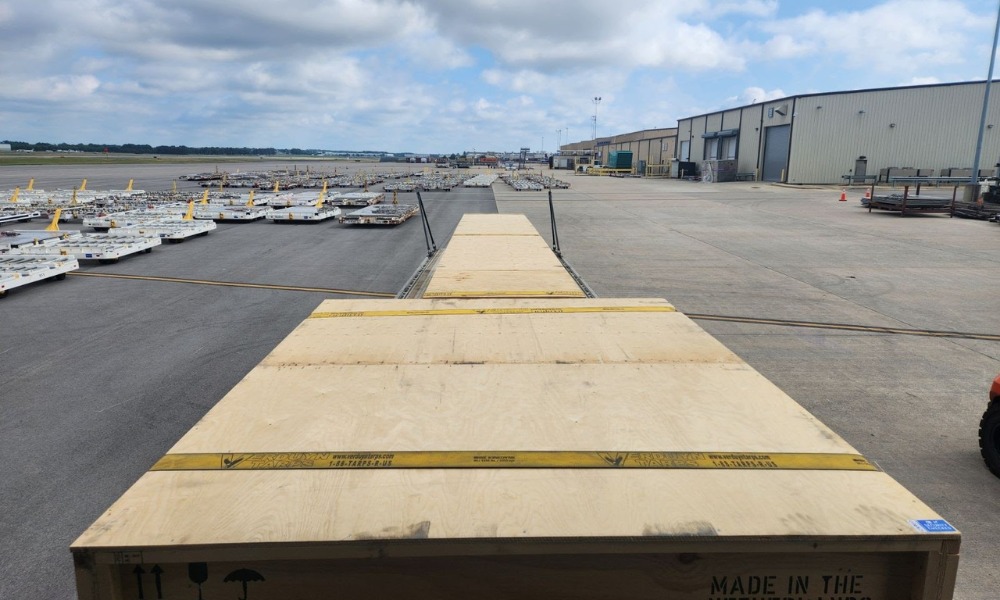
Most freight overspending traces back to a few repeatable booking errors. Recognizing these patterns before the next pickup prevents rebills, delays, and damage claims.
Booking LTL for Loads That Exceed Size or Weight Thresholds
LTL carriers apply penalties or refuse freight that exceeds published length and weight limits. Loads approaching 8 or more pallets often cost less and move faster as a partial truckload or full truckload.
Paying for Unused Trailer Space on Small Loads
A dedicated trailer carrying 4 pallets of bills for the full lane regardless of how empty the trailer runs. Small recurring loads almost always belong in an LTL or consolidation program.
Overlooking Accessorial Requirements Like Liftgate or Inside Delivery
Deliveries to locations without a dock need a liftgate, and some receivers require inside delivery or driver assistance. Leaving accessorials off the booking triggers surprise charges and can force a redelivery.
Misclassifying Freight and Triggering Reweighs or Rebills
LTL rates are based on shipment details such as size, weight, freight class, and handling requirements. Inaccurate information may lead to pricing adjustments, added fees, or billing questions after the shipment is reviewed.
Ignoring Transit Windows When Production Schedules Are Tight
LTL transit estimates are not guaranteed, and terminal routing adds variability. Freight tied to a production deadline or installation date often needs truckload or expedited freight service instead.
READ MORE: How NYC Businesses Can Reduce LTL and Truckload Delays
How to Choose Between LTL and Truckload Freight: A Step-by-Step Guide
Working through five questions in order removes the guesswork from mode selection. Each step narrows the options until one mode clearly fits.
Step 1: Measure Total Load Weight, Pallet Count, and Dimensions
Record the exact pallet count, total weight, and the dimensions of the tallest and longest pieces. Loads of 6 pallets or fewer point toward LTL, 6 to 18 toward partial truckload, and anything above roughly 20 pallets toward a dedicated trailer.
Step 2: Define Your Delivery Deadline and Flexibility
Fixed deadlines change the math. When a machine part must reach a plant before a line restarts, expedited freight or a dedicated truck outranks cost-per-pallet comparisons. Flexible delivery windows open the door to LTL and consolidation savings.
Step 3: Assess Fragility and Handling Tolerance
Every LTL terminal transfer is a handling event. Fragile equipment, uncrated machinery, and high-value electronics tolerate handling poorly and justify a truckload or partial truckload even at smaller pallet counts.
Step 4: Compare Freight Rates Against Service Requirements
Freight rates reflect freight class, density, lane distance, fuel, accessorials, and seasonal capacity, so two similar loads can price very differently. Rather than relying on generic estimates, request a quote based on your exact load specs and delivery requirements, since the lowest rate only wins when the service level also fits.
Step 5: Confirm Carrier Compliance and Coverage
Companies transporting cargo across state lines must be registered with the FMCSA and hold a USDOT number. Verify registration for any carrier or broker handling interstate freight, and confirm what coverage applies to the load before pickup.
Which Mode Fits Your Load? Real Shipment Size Examples
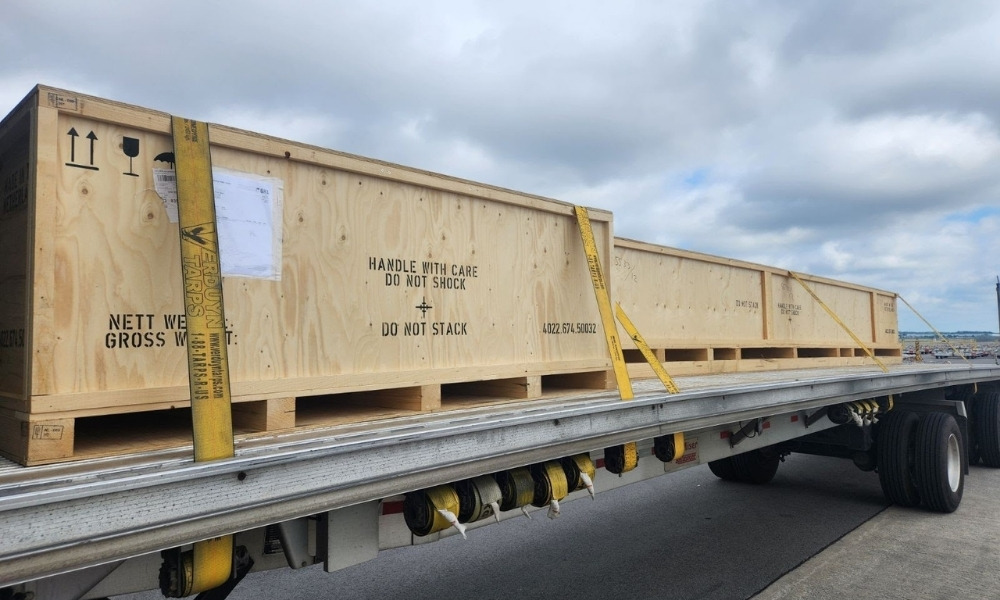
Concrete examples make the thresholds easier to apply. Match your next load against the closest scenario below.
|
Example Load |
Best Mode |
Why |
|
2 pallets of packaged components to Albany |
LTL freight |
Small, sturdy, flexible timeline |
|
10 pallets of palletized inventory to a regional DC |
Partial truckload |
Too large for LTL economics, minimal handling |
|
26 pallets of finished goods to one receiver |
Full truckload |
Fills a 53-foot trailer, direct transit |
|
One crated machinery part needed in 24 hours |
Expedited freight |
Deadline outweighs load size |
When to Work With a Freight Broker in Rochester, NY
Freight Needs Keep Changing
Businesses with inconsistent shipment volumes or changing destinations may not benefit from relying on one carrier. A broker can compare available equipment, routes, and service levels for each shipment.
Carrier Coordination Takes Too Much Time
Managing several carriers can create unnecessary administrative work. A freight broker provides one point of contact for quoting, scheduling, tracking, and shipment documentation.
Loads Require Different Freight Modes
Some shipments may move efficiently through LTL, while others require partial, truckload, or expedited service. A broker can match the freight mode to the shipment size, timing, and handling requirements.
Compliance and Accessorials Need Oversight
Freight brokers can assist with carrier qualification, compliance checks, delivery appointments, liftgate needs, limited-access locations, and other accessorial requirements. Support may also be available for documentation and claims.
Rochester Shipments Need Broader Coverage
Businesses moving freight along the I-90, I-490, and I-390 corridors may require carriers serving several markets. A broker with a Northeast carrier network and warehouse capabilities can provide additional staging, distribution, and transportation options.
Frequently Asked Questions
What questions should I ask a freight broker before booking?
Ask how carriers are selected, how shipment updates are provided, and what support is available if pickup or delivery plans change. It is also useful to discuss the size, timing, and handling needs of the load so the broker can recommend an appropriate freight option.
Can LTL and truckload freight cross state lines from Rochester?
Yes. LTL and truckload shipments can move from Rochester to destinations throughout the region and beyond. The carrier or broker should have the appropriate operating authority and experience for the lane being scheduled.
How far in advance should freight be scheduled out of Rochester?
Scheduling needs depend on the freight mode, equipment requirements, destination, and current carrier availability. Standard shipments may require less notice, while specialized, recurring, or time-sensitive loads are generally easier to coordinate when booked earlier.
Does expedited freight require a dedicated truck?
Not in every case. Expedited freight may move on different types of equipment depending on the shipment size, route, and required delivery time. A freight broker can review the load and recommend an option that meets the timeline without using more capacity than necessary.
What paperwork should shippers prepare before pickup?
Shippers should provide accurate information about the freight, including weight, dimensions, piece count, destination, and any special delivery requirements. Complete documentation helps reduce billing questions, scheduling issues, and delays during transit.
Ready to Match Your Rochester Freight to the Right Mode?
Clancy Relocation & Logistics helps Rochester businesses evaluate freight needs and coordinate the appropriate transportation option. Support may include planning, carrier coordination, scheduling, tracking, and related logistics services based on the shipment.
Contact our team to discuss your freight requirements and available options.