
Quick Facts
✔️ Off-season moves in Stamford may cost less due to lower demand.
✔️ Off-season scheduling might offer more flexibility in securing a preferred move date.
✔️ Early start times may help accommodate shorter winter daylight hours.
✔️ Preparing walkways and protecting floors supports safer winter move logistics.
✔️ Costs vary by move details, so contact reputable providers for accurate and up-to-date pricing.
What's In This Guide
Many people plan a move for the summer because the timing can feel convenient. In Stamford, CT, summer can also coincide with busier moving calendars, which may limit date options and add more coordination to the process. By comparison, relocating in autumn or winter may offer a different experience, with the potential for more scheduling flexibility and fewer time constraints.
For households and businesses planning a move in Fairfield County, timing can play a role in day-to-day logistics such as mover availability, traffic patterns, and rental market conditions. Paying attention to Stamford’s seasonal moving cycle can help you choose a window that better fits your priorities, budget, and timeline.
Why Off-Season Moving in Stamford Might Be Cheaper and Easier
Off-season moving may be worth considering if flexibility, scheduling, and overall coordination matter more than sticking to a summer timeline.
- Moving in Stamford between late September and November or January to March may offer a different experience than peak season for some households and businesses.
- Because these months can be less busy for some providers, you might see more date options and fewer scheduling constraints.
- Traffic conditions on routes like I-95 and the Merritt Parkway may be lighter at certain times, which could help with timing and arrival windows.
- Coordinating lease start dates, closings, building access, and service reservations might feel more manageable, depending on your situation.
6 Reasons Autumn or Winter May Be Cheaper
1. Lower Demand May Influence Overall Moving Costs
- Calendar demand may shift: If fewer moves are scheduled in a given period, some providers might have more open capacity, which could affect how estimates are structured and how quickly dates can be confirmed.
- Related services may fluctuate: Truck rentals, storage units, and short-term holding options might have different availability in fall and winter, which could influence the overall scope and cost of the relocation.
- Lease timing may align differently: In parts of the Northeast, rental turnover may look different after summer, which could create alternate move-in windows for some renters depending on the building and neighborhood.
- Move specifics still drive totals: Inventory size, packing needs, stairs or elevators, long carries, and distance may outweigh seasonal patterns, so costs can vary significantly from one move to the next.
2. Greater Availability of Professional Movers
- Preferred dates may be easier to find: Off-season calendars might be less competitive, which could give households more choices for move dates compared to peak summer windows.
- Schedule changes may be more workable: If a closing date or lease start shifts, rescheduling might be more feasible outside peak season, though it still depends on the provider’s workload and notice.
- Building logistics may be simpler to coordinate: Elevator reservations, loading dock access, COI requirements, and move-in approvals might feel less time-pressured when fewer residents are moving at once.
- Specialty equipment scheduling may improve: Access to lifts, hoists, or gantries might be easier to arrange in some cases, but availability will still depend on the job requirements and the provider’s inventory.
3. More Time for Move Planning and Details
- Pre-move planning may feel less rushed: With fewer back-to-back jobs, some crews might have more time to confirm access notes, review special handling needs, and plan loading order.
- Packing and staging may be more organized: Shorter booking pressure could allow more time to label, stage, and group items by room, which may reduce confusion during unloading.
- Handling instructions may be clearer: Discussions around fragile items, specialty pieces, and valuation coverage options might be easier when planning conversations are not compressed.
- Outcomes still vary by provider: Off-season timing may support planning, but results can still depend on crew experience, home access conditions, and overall move complexity.
4. Traffic Patterns Might Be Less Disruptive
- Travel times may be more predictable: Routes like I-95 and the Merritt Parkway might be less congested at certain times of year, which could help with arrival windows and building reservations.
- Neighborhood delays may be reduced: Fewer seasonal events and visitors might mean fewer slowdowns on local streets, especially in tighter residential areas.
- Daily conditions can still change: Commuting peaks, construction, crashes, and weather may still affect timing, so building in buffers can remain important.
5. Cooler Weather May Change the Moving-Day Pace
- Lower risk of heat-related strain: Cooler temperatures reduce the physical stress associated with summer heat, helping crews maintain steadier pacing during heavy carries or stair work. Heat exhaustion is a serious condition that, if left untreated, can progress to heatstroke, which is life-threatening.
- Winter prep may be necessary: Clearing and salting walkways, managing wet entryways, and protecting floors from moisture and salt might be needed to keep conditions safe and clean.
- Weather may affect timing: Snow, ice, or high winds could create access challenges, so flexibility and contingency planning may be helpful.
6. Seasonal Leasing or Closing Timing May Affect Planning
- Rental availability may look different: Some buildings may have different turnover patterns in fall and winter, which could change unit availability or move-in date options for renters.
- Lease negotiations may vary: Landlord flexibility might change with vacancy levels and demand, but outcomes will depend on the property, location, and current market conditions.
- Closing timelines may shift: Real estate transaction volume may vary by season, which could influence how easily a move aligns with possession dates, repairs, or post-close occupancy needs.
- Timing advantages are situational: Comparing a few possible move windows may help clarify what best fits your housing timeline, logistics, and service needs.
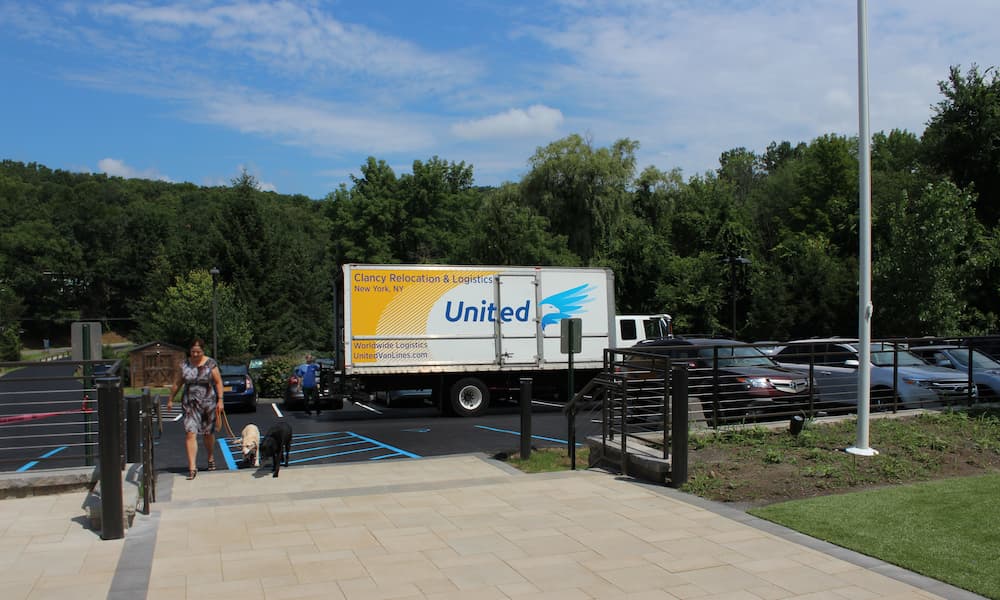
How to Plan a Successful Off-Season Move in Stamford, CT
While off-season moving offers advantages, preparation remains essential. These steps help ensure a smooth transition.
Step 1: Monitor Weather Forecasts
Check extended forecasts in the weeks leading up to your move. While severe storms are not constant, planning around potential snow or ice ensures safety and avoids last-minute disruptions.
Step 2: Prepare Both Properties for Winter Conditions
Clear driveways and walkways before the moving crew arrives. Use protective floor coverings to prevent moisture or salt from entering the home. Ensure exterior lighting is functional, especially during shorter daylight hours.
Step 3: Start Early in the Day
Winter daylight hours are limited. Beginning early maximizes visibility and allows sufficient time for loading and unloading.
Step 4: Coordinate Utilities in Advance
Confirm that heat and electricity are activated at the new property before move-in. This is particularly important during the winter months in Connecticut.
Step 5: Review Valuation Options
Understand the valuation available for your move. Document high-value items and clarify handling procedures with your moving team. Clear communication before moving day reduces uncertainty.
Step 6: Maintain Clear Communication
Confirm arrival windows, building access requirements, and elevator reservations if applicable. Early coordination prevents delays.
What Not to Do When Planning an Off-Season Move in
A fall or winter move might come with different logistics than peak season. These are common planning mistakes to avoid, without repeating the basics already covered in the move-planning steps.
✖ Do not assume unlimited availability
Off-season calendars might be less competitive than summer, but reputable movers can still book up, especially around month-end or lease turnover periods. Waiting too long to schedule may limit your options.
✖ Do not pack essentials into the truck
Keep a clearly labeled “first-day” bag or bin with medications, chargers, toiletries, basic tools, paperwork, pet supplies, and a change of clothes. If those items get buried, settling in may feel harder than it needs to.
✖ Do not underestimate building rules and access limits
Some Stamford buildings may restrict move hours, require Certificates of Insurance, or limit elevator use. Not confirming these details early can create last-minute delays or rescheduling.
✖ Do not forget parking and truck staging
Street parking, narrow driveways, dead-end roads, and permit needs may affect where a truck can safely load or unload. Skipping a plan for staging can slow the move and add avoidable back-and-forth.
✖ Do not rely solely on the season for savings
While timing might influence availability and coordination, final costs and outcomes still depend on inventory size, access conditions, distance, and service level.
✖ Do not assume off-season equals identical conditions every day
Even in slower months, certain dates may still be busy, and local factors like school schedules or building turnover can influence availability. Staying flexible with a couple of backup dates may help.
Frequently Asked Questions (FAQs)
Is winter moving in Stamford safe for household goods?
Winter moves may be completed safely with proper preparation and professional handling. Items are typically wrapped, padded, and secured to limit exposure to cold air during loading and unloading. Electronics and delicate materials might need time to adjust to indoor temperatures before use. Conditions can vary based on weather and access, so planning ahead remains important.
How far in advance should I schedule an off-season move?
Booking several weeks in advance is still advisable, even during slower periods. While availability might be more flexible than peak season, preferred dates can still fill depending on demand. Early scheduling may allow more time to coordinate building access and service details. Lead times can vary by provider and move size.
Does cold weather affect packing materials?
Packing materials are generally designed to protect items during a range of conditions. Extreme temperatures may require extra care for certain belongings, such as electronics, artwork, or instruments. Using proper wrapping and cushioning may reduce risk during transport. Specific handling needs can vary by item.
Are storage options available year-round in Stamford?
Storage facilities typically operate throughout the year, though availability may fluctuate by season. In some cases, off-season periods might offer more unit choices. Climate-controlled options may be helpful for temperature-sensitive items. Availability and features depend on the specific facility.
Are valuation coverage options different in winter?
Valuation coverage options are typically offered based on the type of move rather than the season. The level of protection selected may depend on item value and client preference. Reviewing coverage details before moving day may clarify what is included. Policies and terms vary by provider.
Plan a Smarter Move in Stamford This Off-Season
Relocation timing can affect more than convenience. In Stamford, moving during autumn or winter may offer different planning conditions than peak season, which might include more scheduling flexibility, lighter traffic patterns at certain times, and different levels of mover availability. It may also align differently with local rental and real estate cycles, depending on what is happening in the market.
For households and businesses weighing their timeline, the off-season could be worth considering if flexibility and coordination are priorities. Working with a local provider such as Clancy Relocation & Logistics helps you map out realistic timelines, access requirements, and move-day logistics based on your specific situation.