
What’s In This Guide
- What Does a Freight Broker Actually Do?
- Why Albany Businesses Face Unique Freight Coordination Demands
- Common Scenarios Where a Freight Broker Makes Sense
- How Carrier Vetting Works Before a Load Ships
- What to Evaluate Before Choosing a Freight Broker
- When In-House Logistics Still Makes Sense
- Where Freight Brokerage Fits Into a Broader Logistics Strategy
- Frequently Asked Questions
- Ready to Simplify Freight Coordination for Your Albany Business?
Navigating freight and logistics can be complex, particularly for businesses operating out of the Albany region. Whether you are managing recurring shipments or navigating specialized transportation requirements, knowing when to bring in professional support is key to maintaining operational efficiency.
Quick Facts
- Recurring shipments across multiple carriers create the strongest case for brokerage, since a single point of contact removes the need to manage separate carrier relationships for every lane.
- Federal law requires freight brokers to hold a $75,000 surety bond or trust fund (BMC-84 or BMC-85) before FMCSA activates their operating authority.
- Albany sits at the intersection of I-87 and I-90, giving businesses direct routing access to New York City, Boston, and the Canadian border through a single regional hub.
- Carrier vetting through FMCSA’s SAFER system includes reviewing safety rating, coverage status, and inspection history before a load is assigned.
- Multi-stop deliveries and tight delivery windows raise coordination risk enough that most businesses without a dedicated logistics team benefit from broker-managed routing.
What Does a Freight Broker Actually Do?
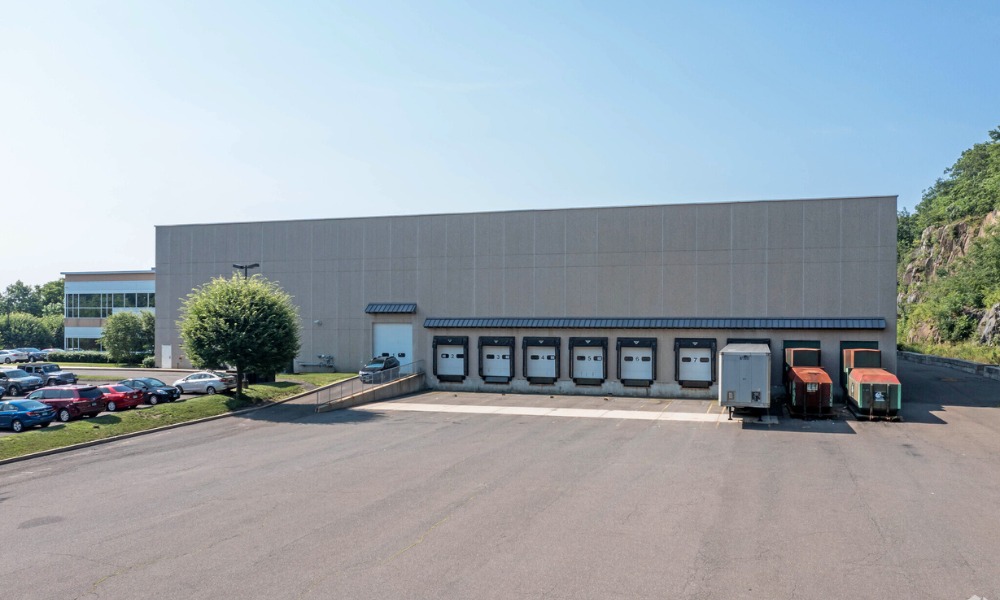
A freight broker acts as a logistics intermediary, connecting businesses that need freight moved with motor carriers that have the capacity to move it. While they do not own trucks or physically transport goods, they add value through network access and expert coordination. Specifically, a freight broker handles:
- Carrier Selection: Identifying and vetting reliable motor carriers to ensure they meet safety and coverage standards.
- Rate Negotiation: Leveraging market knowledge to secure competitive shipping rates on behalf of the shipper.
- Load Tracking: Monitoring shipment progress in real time to support timely delivery and proactive problem-solving.
- Documentation Management: Handling all necessary paperwork, including bills of lading and valuation certificates, to ensure compliance.
For many Albany-area businesses, this intermediary role can be valuable. It reduces the time your team spends sourcing carriers, checking credentials, and resolving delivery issues, allowing staff to focus on core operations.
Why Albany Businesses Face Unique Freight Coordination Demands
Albany’s position along the I-87 and I-90 corridors, with rail service from CSX and Canadian Pacific, makes it a natural distribution point for businesses moving freight through the Northeast and into Canada. That geography is an advantage, but it also creates more routing options, more carrier choices, and more variables to manage for any single shipment.
Businesses shipping through Albany often deal with:
- Multiple potential routes between New York City, Boston, and the Canadian border
- Seasonal congestion tied to weather and regional construction
- Air cargo access through Albany International Airport’s dedicated cargo facility near the I-87 and I-90 interchange, for time-sensitive shipments
- Rail and highway freight competing for the same regional infrastructure
None of these factors is unmanageable on its own. Together, they create enough complexity that businesses without a dedicated logistics department can lose time reconciling routing decisions instead of focusing on core operations. Working with a knowledgeable Albany freight broker can help streamline those logistics.
Common Scenarios Where a Freight Broker Makes Sense
Not every shipment needs a broker. The decision usually comes down to volume, complexity, and internal staffing capacity. Strategic shipment planning becomes critical when you are trying to balance cost, reliability, and speed in your distribution network.
Recurring or High-Volume Loads
Businesses shipping on a regular schedule, whether weekly, biweekly, or seasonal, can benefit from a broker who already maintains relationships with vetted carriers serving those specific lanes. By providing a single point of contact, a broker reduces the need for your team to manage separate carrier relationships for every lane.
Complex or Specialized Shipments
Freight that requires specific equipment, temperature control, oversized handling, or cross-border documentation adds layers of coordination that general shipping knowledge does not always cover. A broker with carrier relationships across multiple equipment types can match the shipment to the right carrier without the shipper needing to vet every option independently.
Multi-Stop or Time-Sensitive Deliveries
Shipments involving several delivery points, tight windows, or coordinated arrival times raise the risk of miscommunication between carriers and receiving locations. Brokers manage this coordination directly, tracking each leg of the shipment and adjusting when delays occur.
Limited Internal Logistics Staff
Many small and mid-sized businesses do not have a dedicated logistics or transportation department. When freight coordination falls on someone whose primary role is operations, sales, or finance, a broker fills the gap without requiring the business to hire additional staff.
How Carrier Vetting Works Before a Load Ships

Carrier vetting is the process brokers use to confirm a motor carrier is legally authorized, properly covered, and safe to work with before assigning them a shipment. This step happens before rate negotiation.
A standard carrier vetting process includes the following steps:
- Confirm active operating authority. The carrier’s USDOT number must show an active status, not suspended or revoked, on FMCSA’s public record.
- Verify valuation filings. The FMCSA’s SAFER system and its Company Snapshot service provide a concise record of a carrier’s identification, size, and safety data, including inspection and out-of-service summaries and any safety rating on file.
- Review safety rating and inspection history. Carriers with a Satisfactory rating and inspection results near or below national averages may present lower risk. Carriers with no rating on file require additional scrutiny before booking.
- Cross-check business details. The registered name, address, and MC number should match what appears on the carrier’s rate confirmation and valuation certificate. Mismatches can signal identity issues.
- Confirm equipment and lane experience. Carriers should have a documented history operating the equipment type and route the shipment requires.
- Assess communication responsiveness. Consistent, professional communication during the vetting and booking process is a strong indicator of how the carrier will handle updates once the load is in transit.
- Monitor performance trends. Track on-time delivery rates and claim frequencies for carriers you use repeatedly to ensure they maintain the service quality you expect over time.
This process, when done consistently, reduces the chance of working with an unauthorized or high-risk carrier. Brokers who skip these steps can expose shippers to delayed freight, damaged goods, or cargo moved by a carrier with no valid valuation on file.
What to Evaluate Before Choosing a Freight Broker
Businesses evaluating a freight broker in the Albany market should ask direct questions before committing to a working relationship.
|
Evaluation Factor |
What to Ask |
|
Regulatory compliance |
Is the broker registered with FMCSA and bonded under BMC-84 or BMC-85? |
|
Carrier network depth |
Does the broker have established carriers on the specific lanes needed? |
|
Vetting process |
What safety and valuation checks happen before a carrier is assigned? |
|
Communication structure |
Is there a single point of contact managing the shipment from booking to delivery? |
|
Documentation handling |
Who manages bills of lading, delivery confirmations, and claims paperwork? |
Under federal law, freight brokers must file a surety bond (Form BMC-84) or trust fund agreement (Form BMC-85) in the amount of $75,000 as part of their FMCSA registration, in addition to receiving an MC number and filing a designation of process agent. A legitimate broker should be able to confirm this registration without hesitation. Reluctance to answer, or vague responses about licensing, is a signal worth taking seriously.
When In-House Logistics Still Makes Sense
Brokerage is not the right fit for every business. Companies with a dedicated logistics team, established carrier relationships, and consistent shipping volume on a small number of predictable lanes may find that managing freight directly gives them more control over cost and scheduling.
The tradeoff comes down to bandwidth. A broker adds the most value when internal staff would otherwise spend disproportionate time on carrier sourcing, rate comparison, and shipment tracking instead of core business functions.
Where Freight Brokerage Fits Into a Broader Logistics Strategy

Freight brokerage rarely operates in isolation. Businesses managing recurring shipments often need it alongside warehousing, distribution, or dedicated transportation support, particularly when inventory volume fluctuates seasonally or when multiple delivery points are involved in a single supply chain.
A logistics partner that offers freight brokerage, warehousing, and dedicated transportation under one operation can reduce the number of vendors a business has to manage and keep documentation and communication consistent across every shipment.
Frequently Asked Questions
What is the difference between a freight broker and a freight forwarder?
A freight broker arranges transportation between a shipper and a motor carrier without taking legal ownership or possession of the freight. A freight forwarder often consolidates shipments and may take responsibility for the freight at some point in transit, which typically involves additional documentation and liability considerations.
Does a freight broker cost more than booking a carrier directly?
Pricing depends on the shipment’s scope, the lanes involved, equipment requirements, and current market capacity, so it varies by business and by load. A broker’s value typically comes from time saved on carrier sourcing and vetting rather than a flat cost comparison. For a specific estimate based on your shipment details, contact Clancy Relocation & Logistics directly.
Can a freight broker handle cross-border shipments into Canada?
Cross-border freight requires additional customs documentation and carrier authority beyond standard domestic interstate rules. Brokers experienced in Northeast freight, including routes toward the Canadian border, typically manage this documentation as part of the coordination process.
How can I track my shipment once it is in transit?
A freight broker acts as your central point of contact for the entire move. They monitor shipment progress in real-time and provide proactive updates. If delays or unforeseen issues occur, the broker coordinates the response, saving you from having to manage carrier communications directly.
Can a freight broker help if I have a last-minute capacity emergency?
While not guaranteed, a freight broker is often well-positioned to assist with last-minute capacity emergencies. Their access to a broad network of carriers allows them to search for available capacity when your own resources are unavailable or a shipment falls through. However, success depends on variables such as current market demand, the specific equipment required, and the urgency of the lane, so it is best to contact your broker as early as possible to assess availability.
Ready to Simplify Freight Coordination for Your Albany Business?
Clancy Relocation & Logistics provides freight brokerage, warehousing, and dedicated transportation support for businesses across the Albany region and the broader Northeast corridor, backed by more than a century of operating experience in the logistics and relocation industry.
Streamline your supply chain and keep your team focused on the business. Contact us to discuss your freight needs and request a customized quote.